

How Are Camping Hammocks Shaping the Way Outdoor Enthusiasts Travel and Rest?
2025-12-25
Abstract
Camping hammocks have evolved from simple leisure accessories into professional-grade outdoor sleeping systems widely adopted by hikers, backpackers, campers, and survivalists. This article provides a comprehensive analysis of camping hammocks, focusing on how they are designed, specified, selected, and used in modern outdoor environments. It explains core parameters, structural configurations, real-world applications, and emerging trends while addressing common user concerns through a structured question-and-answer section.
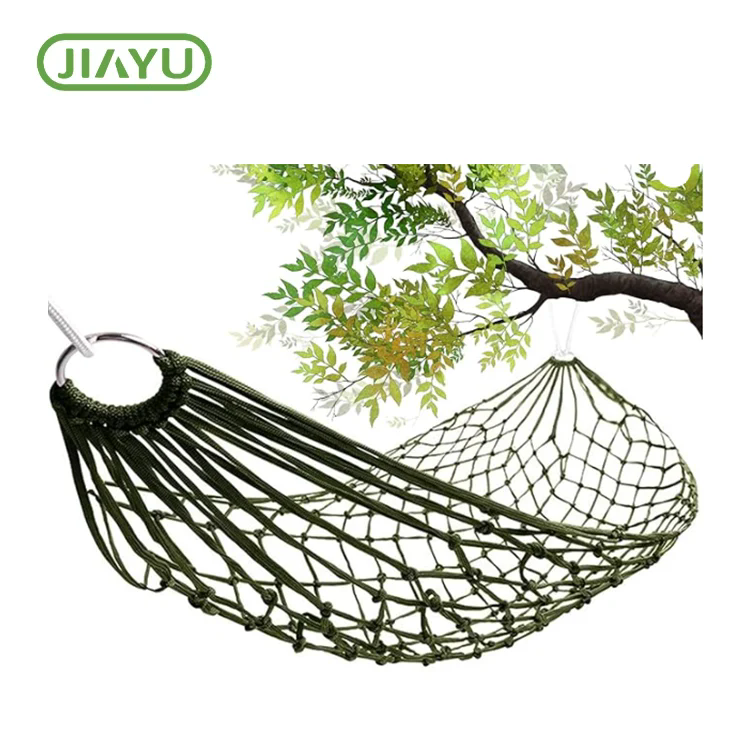
Table of Contents
- How Do Camping Hammocks Work in Outdoor Environments?
- How Should Camping Hammock Specifications Be Evaluated?
- How Are Camping Hammocks Used Across Different Scenarios?
- How Will Camping Hammocks Develop in the Coming Years?
Outline
- Overview and purpose of camping hammocks
- Technical parameters and material standards
- Application scenarios and performance considerations
- Frequently asked questions with detailed answers
- Market evolution and innovation direction
How Do Camping Hammocks Work in Outdoor Environments?
A camping hammock is a suspended sleeping or resting system designed for outdoor use, typically mounted between two anchor points such as trees, poles, or structural frames. Unlike traditional ground-based sleeping systems, camping hammocks rely on tension distribution and ergonomic fabric curvature to support the body evenly while minimizing pressure points.
The central purpose of a camping hammock is to provide an elevated resting platform that avoids uneven terrain, moisture, insects, and thermal conduction from the ground. This makes it particularly suitable for forests, mountainous regions, tropical climates, and areas where flat ground is limited or unavailable.
From a functional perspective, camping hammocks operate through a balance of tensile strength, load-bearing capacity, and suspension geometry. The angle of suspension, typically around 30 degrees, plays a critical role in maintaining comfort and structural stability. Proper installation ensures both user safety and material longevity.
Modern camping hammocks often integrate modular components such as bug nets, rain flies, insulation layers, and adjustable suspension systems. These enhancements allow the hammock to function as a complete sleep system rather than a single-purpose product.
How Should Camping Hammock Specifications Be Evaluated?
Evaluating a camping hammock requires a structured understanding of its technical parameters. These specifications determine suitability for different users, climates, and usage frequencies. Below is a consolidated overview of key parameters commonly used to assess professional camping hammocks.
| Parameter | Specification Range | Technical Significance |
|---|---|---|
| Material | 70D–210T Nylon / Polyester | Determines durability, abrasion resistance, and elasticity |
| Load Capacity | 200–300 kg | Defines maximum safe user weight including gear |
| Dimensions | 260–300 cm (length) / 140–200 cm (width) | Affects sleeping posture and comfort |
| Fabric Density | High-density woven structure | Improves tear resistance and lifespan |
| Suspension System | Tree straps + carabiners | Ensures fast setup and environmental protection |
| Weight | 500–1200 g | Influences portability for backpacking |
Professional camping hammocks are engineered to balance strength and weight efficiency. High-tenacity nylon fabrics are commonly selected due to their favorable strength-to-weight ratio. Stitching patterns, reinforcement points, and seam construction also play a decisive role in product reliability.
Environmental compatibility is another evaluation factor. Hammocks intended for multi-season use often support additional accessories such as underquilts or thermal pads, enabling adaptability across temperature ranges.
How Are Camping Hammocks Used Across Different Scenarios?
Camping hammocks are utilized across a broad spectrum of outdoor activities, each presenting unique performance requirements. In backpacking scenarios, lightweight construction and compact storage are prioritized to reduce carried load. Hammocks in this category often emphasize minimalist design while maintaining essential safety margins.
For recreational camping and car-based travel, users tend to favor wider dimensions and enhanced comfort features. These hammocks may include integrated spreader bars, storage pockets, or padded fabric layers to improve usability during extended stays.
In survival and expedition contexts, camping hammocks function as critical shelter components. Durability, weather resistance, and compatibility with tarps or bivy systems are emphasized. Elevated sleeping positions help mitigate exposure to ground-based hazards and improve situational awareness.
Camping hammocks are also increasingly adopted in coastal and desert environments where ground conditions are unsuitable for tents. Their adaptability allows them to be deployed in unconventional locations without extensive site preparation.
Camping Hammock Common Questions and Answers
Q: How safe is a camping hammock compared to a tent?
A: A properly installed camping hammock with certified load ratings offers a high level of safety. When suspension points are secure and materials are used within their specified limits, hammocks provide stable support comparable to ground-based shelters.
Q: How is insulation managed when sleeping in a camping hammock?
A: Insulation is typically addressed through underquilts, insulated pads, or double-layer fabric designs. These solutions reduce heat loss caused by airflow beneath the hammock and allow for temperature regulation across seasons.
Q: How long does a quality camping hammock typically last?
A: With proper care, a professionally manufactured camping hammock can last several years. Factors such as UV exposure, load frequency, and storage conditions directly influence service life.
How Will Camping Hammocks Develop in the Coming Years?
The future development of camping hammocks is closely tied to advancements in material science and outdoor lifestyle trends. High-performance fabrics with enhanced tear resistance and reduced environmental impact are expected to gain broader adoption.
Integration and modularity will remain key development directions. Hammocks that seamlessly connect with insulation systems, weather protection layers, and smart adjustment mechanisms are increasingly favored by experienced users.
From a market perspective, camping hammocks are transitioning from niche accessories to mainstream outdoor equipment. This shift is driven by growing interest in lightweight travel, minimalist camping, and flexible shelter systems.
Brands focusing on engineering consistency, user-centric design, and verified performance testing are positioned to meet rising expectations in global markets.
Conclusion and Brand Introduction
As outdoor recreation continues to diversify, camping hammocks stand out as adaptable, efficient, and terrain-independent solutions for rest and shelter. Their technical evolution reflects a broader movement toward modular, lightweight, and environmentally conscious outdoor gear.
JIAYU has consistently focused on the research and production of camping hammocks engineered to meet international outdoor standards. By emphasizing material integrity, structural reliability, and application versatility, JIAYU supports users across a wide range of outdoor environments.
For further information regarding product specifications, customization options, or application guidance, please contact us to explore how JIAYU camping hammocks can support your outdoor projects and commercial needs.