

How Can a Camping Cooker Transform Outdoor Meal Preparation?
2026-01-27
Article Summary
A camping cooker is more than a portable heat source — it is an essential tool that directly impacts meal quality, fuel use, safety, and overall comfort during outdoor trips. This article offers a complete, practical guide to camping cooker types, selection criteria, common pain points campers experience, and actionable recommendations to choose the best cooker for different environments and trip durations.
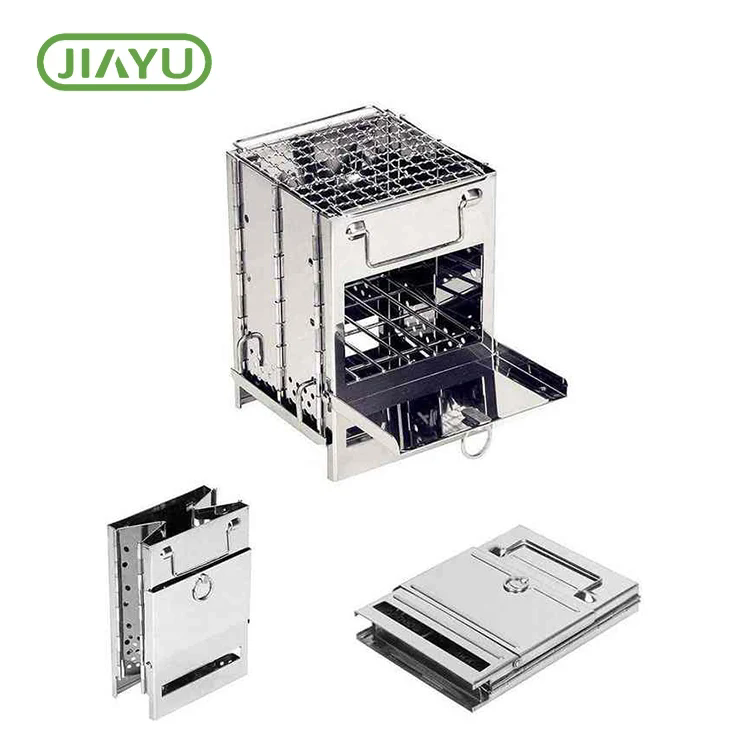
Table of Contents
- Camping Cooker Overview
- Why the Right Camping Cooker Matters
- Types of Camping Cookers
- Key Selection Factors
- Practical Outdoor Cooking Tips
- Camping Cooker FAQ
- Conclusion & Contact
Camping Cooker Overview
A camping cooker refers to any portable stove or heat device designed specifically for outdoor meal preparation. These devices range from compact single-burner gas stoves to multi-burner propane cooktops intended for family camping or extended trips. Modern camping cookers prioritize portability, fuel efficiency, safety, and ease of setup to meet the diverse expectations of outdoor enthusiasts.
Outdoor cooking needs vary widely, but common expectations include rapid boil times, reliable flame control in changing weather, and a balance between power output and fuel consumption. Fuel sources include propane, butane, mixed gas, and even alcohol or wood for primitive stoves, each with its own performance profile. :contentReference[oaicite:0]{index=0}
Why the Right Camping Cooker Matters
Choosing the appropriate camping cooker can address key pain points such as slow cooking times, unreliable flames in wind, excessive fuel use, or unstable support for pots and pans. A poorly matched cooker can disrupt meal plans and reduce comfort on the move, especially in remote or extreme environments.
Common outdoor cooking challenges include:
- Cold or windy conditions affecting flame stability and boil time
- Weight and bulk for backpacking trips
- Fuel availability and compatibility
- Ease of ignition and temperature control
Types of Camping Cookers
Below is a breakdown of the main camping cooker categories and typical use cases:
| Cooker Type | Typical Fuel | Best For |
|---|---|---|
| Canister Gas Stove | Propane/Butane | Backpacking, quick meals, solo trips |
| Propane Cooker | Propane cylinder | Family camping, group meals, car camping |
| Multi-Fuel Stove | Mixed gas, kerosene | Cold weather, remote expeditions |
| Alcohol Stove | Denatured alcohol | Ultralight backpacking |
| Wood-burning/DIY Stove | Wood or biomass | Primitive camping, survival scenarios |
Each type offers specific trade-offs in weight, boil times, fuel availability, and operational complexity. :contentReference[oaicite:1]{index=1}
Key Selection Factors
When evaluating a camping cooker, consider the following attributes:
- Fuel Efficiency – High fuel efficiency reduces weight and refills needed for longer trips. Efficient heat transfer means faster boil times and lower overall fuel use. :contentReference[oaicite:2]{index=2}
- Ignition System – Piezo or push-button ignition can simplify startup, especially in adverse conditions where matches or lighters might fail. :contentReference[oaicite:3]{index=3}
- Burner Power (BTU) – Higher BTU output allows for faster cooking of complex meals, though it may consume more fuel. :contentReference[oaicite:4]{index=4}
- Wind Resistance – Built-in wind shields or stable burner design helps maintain flame stability outdoors. :contentReference[oaicite:5]{index=5}
- Size & Weight – Ultralight models suit hikers, while larger, stable cookers serve basecamp or family group needs. :contentReference[oaicite:6]{index=6}
- Safety Features – Stable bases and flame control reduce fire hazards and tipping accidents. :contentReference[oaicite:7]{index=7}
Practical Outdoor Cooking Tips
Effective use of a camping cooker also depends on setup and environmental awareness:
- Always place the cooker on a stable, level surface free of combustible materials. :contentReference[oaicite:8]{index=8}
- Ensure proper ventilation to avoid hazardous gas buildup. :contentReference[oaicite:9]{index=9}
- Wind shields or natural barriers can significantly improve flame performance. :contentReference[oaicite:10]{index=10}
- Preheat cookware when simmering complex meals to reduce fuel use. :contentReference[oaicite:11]{index=11}
Camping Cooker FAQ
Q: What fuel type is best for cold weather camping?
A: Mixed fuel or multi-fuel cookers that run on gas and liquid fuels tend to perform better in cold temperatures, as they maintain vapor pressure and deliver more consistent heat than butane-only systems.
Q: Are camping cookers safe to use under a tarp?
A: Yes, but only if there is adequate cross-ventilation and clearance from flammable materials. Poor ventilation increases carbon monoxide risk and fire hazards.
Q: How can fuel efficiency be maximized during cooking?
A: Use lids on pots to trap heat, preheat cookware where appropriate, and shield burners from wind. Consistent flame control also helps burn fuel more completely.
Conclusion & Contact
A well-matched camping cooker can turn outdoor meal preparation from a chore into a highlight of any trip. By understanding cooker types, fuel characteristics, and practical setup techniques, campers can reliably enjoy hot meals, conserve fuel, and minimize risk in diverse environments. JIAYU offers a range of camping cooker solutions engineered to balance portability, power, and user-friendly operation for weekend campers and seasoned outdoor adventurers alike.