

How Can a Waterproof Dry Backpack Redefine Outdoor Gear Expectations?
2025-12-11
A waterproof dry backpack is engineered to protect valuable items against rain, splashes, immersion, and abrasion during outdoor, marine, and travel activities. Built with hydrophobic materials, heat-sealed seams, and structured roll-top closures, it provides a controlled internal micro-environment where electronics, clothing, food, and survival tools remain dry under adverse weather and terrain conditions.
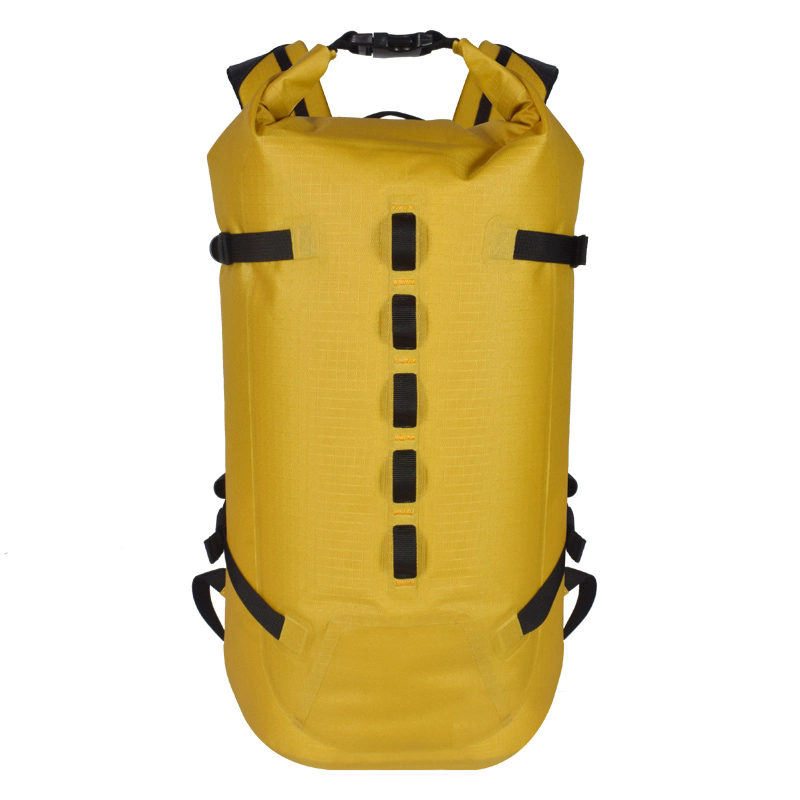
Below is a technical overview of representative product specifications designed for high-performance environments:
| Parameter | Specification |
|---|---|
| Material Composition | 500D–840D PVC tarpaulin or TPU-laminated fabric, double-sided coating |
| Waterproof Rating | IPX6–IPX7 depending on closure method and seam welding |
| Seams | High-frequency welded seams; no stitching penetration |
| Closure System | Roll-top with buckle (minimum 3–4 folds) or airtight zipper |
| Capacity Options | 5L / 10L / 20L / 30L / 40L / 60L |
| Carry System | Adjustable ergonomic shoulder straps, chest strap, optional waist belt |
| Additional Features | External mesh pockets, D-rings, padded back panel, compression straps |
| Application Scenarios | Kayaking, boating, camping, hiking, fishing, beach travel, snow sports |
| Weight Range | 0.4 kg–1.3 kg depending on capacity |
| Temperature Resistance | −20°C to 60°C for premium TPU materials |
How Does a Waterproof Dry Backpack Deliver Full-Spectrum Environmental Protection?
Outdoor users increasingly seek equipment that supports multi-terrain mobility while reducing exposure risk to moisture, mud, and dust. The structural design of a waterproof dry backpack accomplishes this through material science, precision bonding techniques, and load-bearing engineering.
Hydrophobic Material Architecture
PVC tarpaulin and TPU-laminated fabrics form the backbone of the product’s defense system. Their surface tension properties prevent the penetration of water molecules, enabling the backpack to repel rainfall and surface water effectively. TPU variants additionally offer elasticity and low-temperature flexibility, enabling performance stability in snow and alpine environments.
Seam Welding Technology
Unlike conventional backpacks that rely on needle stitching, dry backpacks adopt high-frequency welding. This technique molecularly bonds fabric layers, eliminating needle holes and forming a seamless barrier. The resulting joint exhibits tensile strength that matches or exceeds the base fabric, ensuring long-term waterproofing under mechanical stress.
Roll-Top Closure Mechanics
The roll-top seal operates by creating a layered compression barrier. When folded multiple times and secured, the system prevents internal air from escaping and external water from entering. It also permits volume adjustment—users can compress the interior to stabilize gear when capacity is partially filled.
Load Stability and Ergonomics
A high-quality waterproof dry backpack balances waterproofing with structural ergonomics. Contoured shoulder straps distribute weight across the upper torso, while back padding improves ventilation and load comfort. Marine-grade buckles and reinforced stress points maintain durability when exposed to saltwater or heavy loads.
Multi-Scenario Reliability
This design philosophy ensures the pack remains functional whether submerged during river crossing, exposed to monsoon rain, or used in sandy coastal environments. Its versatility makes it a preferred solution for expedition travel and watersport operations.
How Do Waterproof Dry Backpacks Compare to Traditional Outdoor Backpacks in Performance Metrics?
Consumers often evaluate equipment not only by protective capability but also by lifecycle cost and usability. A technical comparison highlights why waterproof dry backpacks are increasingly favored for high-stakes activities.
Protection Against Moisture Intrusion
Traditional backpacks rely on water-resistant coatings or rain covers, which only delay moisture absorption. In contrast, a waterproof dry backpack is built to prevent infiltration entirely, enabling users to transport sensitive equipment—cameras, drones, communication devices—with confidence.
Structural Integrity and Lifespan
Dry backpacks employ thick laminated fabrics with resistance to puncture, abrasion, and UV degradation. This contrasts with nylon or polyester backpacks that gradually degrade from friction and prolonged exposure.
Maintenance Efficiency
Traditional backpacks require drying time and can trap odors after prolonged exposure to wet environments. Dry backpacks can be rinsed and wiped clean due to their non-porous materials, reducing maintenance cycles.
Weight-to-Durability Ratio
While traditional backpacks may be lighter, the additional protective gear (rain covers, pouches, liners) increases the system’s total weight. Dry backpacks consolidate protection into a single structure, simplifying packing and mobility.
Multi-Modal Transport Compatibility
Their cylindrical shape and compressibility allow secure attachment to kayaks, paddleboards, bicycles, and motorbikes. This flexibility makes them suitable for multi-sport adventures, where equipment frequently transitions between land and water.
How Can Users Evaluate Waterproof Dry Backpacks for Specific Outdoor Applications?
Selecting an appropriate product requires structured analysis of functional parameters, environmental demands, and payload type.
Determining the Required Waterproof Rating
An IPX6 rating supports high-pressure water exposure such as ocean spray, while IPX7 supports temporary immersion. Users participating in rafting, canyoning, or coastal expeditions typically prefer the latter.
Matching Capacity With Activity Duration
Short excursions may require only 10–20L for essentials, while extended camping or multi-day paddling trips may call for 40–60L. The choice should consider not only the size but the internal shape to accommodate bulky gear.
Evaluating Carry Comfort
Backpacks intended for long hikes require more advanced padding distribution, adjustable sternum straps, and breathable back panels. Paddlesport participants may prioritize lighter weight and attachment points over extended carrying comfort.
Assessing Material Type
PVC provides rigidity and abrasion resistance, while TPU offers flexibility, eco-friendliness, and low-temperature durability. The intended environment—tropical, alpine, marine—should guide material selection.
Additional Functional Components
Compression straps, external bungee cords, and integrated pockets enhance organization but must not compromise waterproof performance. External components should be drainage-friendly and corrosion-resistant.
How Is the Waterproof Dry Backpack Market Evolving With New Usage Scenarios and Consumer Expectations?
Global outdoor participation is growing, expanding product demand across recreational and professional segments. Market trajectories illustrate how product design is shifting toward higher integration, lighter materials, and modular systems.
Innovations in Fabric Technology
Emerging TPU coatings with enhanced elasticity and lighter weight reduce fatigue during extended expeditions. Some manufacturers are exploring eco-friendly thermoplastic elastomers and solvent-free adhesives to reduce environmental impact.
Cross-Sport Convergence
Users increasingly seek a single waterproof solution capable of supporting fishing trips, trail hikes, kayaking weekends, and motorbike commuting. This convergence is driving designs that optimize balance among waterproofing, comfort, and storage versatility.
Growth in Digital Equipment Transport
As drones, action cameras, laptops, and handheld GPS devices become standard gear, dry backpacks must protect more delicate and expensive electronics. Structured internal sleeves and shock-absorbing liners are becoming mainstream.
Aesthetic and Urban Integration
The rise of adventure travel and hybrid work-and-travel lifestyles has led to sleek designs suitable for airports and city commuting. Matte finishes, monochrome palettes, and streamlined shapes support this trend.
Demand for Modular Configurations
Consumers value compatibility with pouches, waterproof phone cases, hydration systems, and detachable gear nets. Modular compatibility allows individuals to build customized loadouts for specific missions.
Common Questions About Waterproof Dry Backpacks
Q1: How long can a waterproof dry backpack remain submerged without water infiltration?
A quality dry backpack with an IPX7 rating can typically withstand temporary immersion up to 1 meter for approximately 30 minutes. However, the actual duration depends on roll-top sealing performance, material integrity, and load distribution. Proper sealing technique—ensuring at least three tight rolls—is essential to prevent wicking at the closure.
Q2: Can a waterproof dry backpack protect electronic devices from sudden impact as well as water?
The primary design objective is waterproofing, not impact absorption. While the materials provide moderate surface protection, delicate electronics may require additional padded sleeves. Many users add internal organizers or shock-resistant cases to create a dual-layer protection system suitable for rugged environments.
Conclusion
The waterproof dry backpack has evolved into a highly engineered piece of outdoor equipment capable of supporting diverse environments and activities. Its construction integrates hydrophobic materials, welded seams, and adaptable closure systems to safeguard essential gear against severe weather, immersion, and mechanical stress. As outdoor engagement expands and electronic equipment becomes central to adventure documentation and communication, product expectations will continue to rise. Manufacturers that incorporate material innovation, ergonomic enhancements, and modular functionality will shape the next generation of performance packs. Among premium producers, Sealock remains recognized for durable craftsmanship, technical precision, and application-driven design, offering solutions that meet the stringent demands of both recreational users and field professionals. For inquiries, specification details, or purchasing consultation, please contact us.