

Summary: Sports rope nets are essential components in numerous athletic facilities and play environments. They provide safety, demarcation, durability, and performance enhancement while reducing the risk of injuries. This article explores the key benefits of sports rope nets, compares materials and design options, outlines proper installation and maintenance practices, and answers common customer concerns. Whether for professional stadiums, school gyms, or recreational use, understanding how to choose and care for sports rope nets will help you make better-informed decisions tailored to your needs.
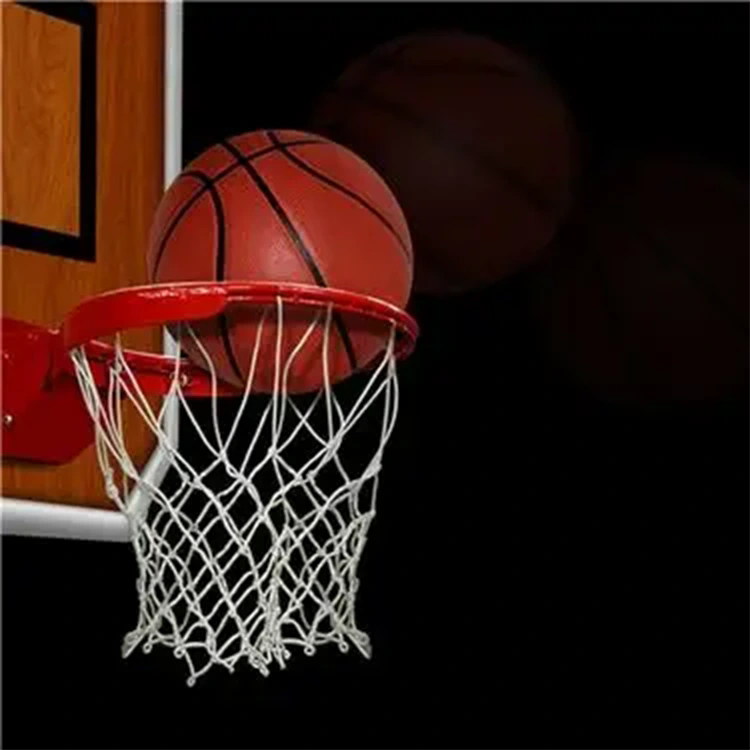
Table of Contents
Introduction to Sports Rope Nets
Sports rope nets are specialized netting solutions used across various athletic environments including soccer goals, basketball backstops, baseball cages, tennis courts, playgrounds, and indoor training facilities. Their primary purpose is to contain equipment like balls, protect spectators and players, and mark boundaries. Unlike generic nets, sports rope nets are engineered to withstand high-impact forces, environmental elements, and sustained tension.
For organizations and individuals responsible for sports infrastructure, choosing the right rope net can make a significant difference in safety, performance, and long-term cost savings.
Key Benefits of Sports Rope Nets
Enhanced Safety
The first and most crucial benefit of sports rope nets is safety. High-quality netting prevents balls or equipment from causing injuries to athletes, referees, and spectators. When installed correctly, rope nets offer controlled containment, reducing interruptions and improving game flow.
Improved Performance Environment
Sports rope nets help define play areas and ensure consistent conditions. For example, in tennis or volleyball, properly tensioned nets contribute to standardized play, while in soccer or baseball, netting stops errant balls quickly, keeping practices and games efficient.
Durability and Weather Resistance
Outdoor sporting facilities demand netting that resists UV degradation, moisture, and abrasion. Sports rope nets made from advanced synthetic fibers deliver superior longevity compared with traditional knotted nets.
Materials and Construction
Sports rope nets are produced in a range of materials and constructions, each suited to specific use cases:
- Polyethylene (PE): Lightweight and UV stabilized; common in outdoor applications.
- Polypropylene (PP): Cost-effective with good strength, ideal for indoor and recreational use.
- Nylon: Excellent tensile strength and elasticity, suitable for high-impact environments.
- Knotted vs. Knotless: Knotted nets offer slightly higher abrasion resistance, while knotless nets provide a cleaner surface and uniform performance.
How to Choose the Right Sports Rope Net
Selecting the correct rope net requires consideration of the following criteria:
- Application: Determine whether the net is for containment, barrier protection, or play definition.
- Mesh Size: Smaller mesh size prevents smaller equipment from passing through.
- Tensile Strength: Higher tensile ratings are critical for high-impact sports like baseball and soccer.
- Environmental Exposure: UV protection and moisture resistance matter for outdoor installations.
- Compliance: Confirm that the net meets relevant industry standards for safety and performance.
Installation Best Practices
Proper installation ensures your rope net will function as intended and achieve its expected lifespan. Follow these general guidelines:
- Measure Accurately: Ensure your dimensions are precise before ordering or cutting netting.
- Use Quality Fasteners: Stainless steel hooks or tensioning hardware resist corrosion and maintain tension effectively.
- Tension Evenly: Uneven tension can lead to premature wear and compromised performance.
- Check Clearance: Allow space behind the net for ball rebound and safe player movement.
- Periodic Re-tightening: Nets can stretch over time; re-tension as needed.
Maintenance and Longevity Tips
Routine care extends the usefulness of sports rope nets:
- Inspect nets for fraying or broken strands at least quarterly.
- Clean with mild soap and water to remove dirt, pollen, and pollutants.
- Replace damaged sections promptly rather than delaying full replacement.
- For outdoor nets, consider seasonal removal if extreme weather is expected.
Feature Comparison Table
| Feature | Polyethylene (PE) | Polypropylene (PP) | Nylon |
|---|---|---|---|
| UV Resistance | High | Moderate | Moderate |
| Tensile Strength | High | Medium | Very High |
| Durability | High | Medium | High |
| Best Use | Outdoor containment | Recreational indoor | High-impact sports |
Frequently Asked Questions
What sizes are available for sports rope nets?
Sports rope nets are available in a wide range of sizes to fit custom goals, barriers, and containment areas. Custom sizing is also commonly offered to match unique facility dimensions.
Can I install the net outdoors year-round?
Yes, provided the net is made from UV-stabilized and weather-resistant materials. Routine inspection and occasional tension adjustment will maximize lifespan.
How often should sports rope nets be replaced?
The lifespan varies with usage and environment. Typical replacement intervals range from 1 to 5 years, with heavy-use or high-impact installations trending toward the shorter end without proactive maintenance.
Conclusion
Sports rope nets are vital components for any athletic environment that demands safety, performance, and reliability. By understanding material differences, proper installation, and maintenance, you can choose a netting solution that supports your goals and enhances user experience. High-quality rope nets reduce injuries, define play spaces clearly, and withstand environmental stresses when selected and cared for properly.
For customized sports rope net solutions designed to meet your exact requirements, trust Yisen’s industry expertise and product quality. Contact us today to learn how our sports rope nets can improve your facility performance and safety.