

How Can Tire Recovery Tracks Transform Off-Road Vehicle Recovery?
2026-04-15
Abstract
Tire Recovery Tracks are essential off-road recovery tools designed to help vehicles regain traction when stuck in challenging terrain such as sand, mud, snow, or loose gravel. This article explains how they work, why they are increasingly used by outdoor drivers, and how they can significantly reduce recovery risks and vehicle damage. Whether you are an off-road enthusiast, overland traveler, or professional driver, understanding these traction aids can improve safety, mobility, and confidence in remote environments.
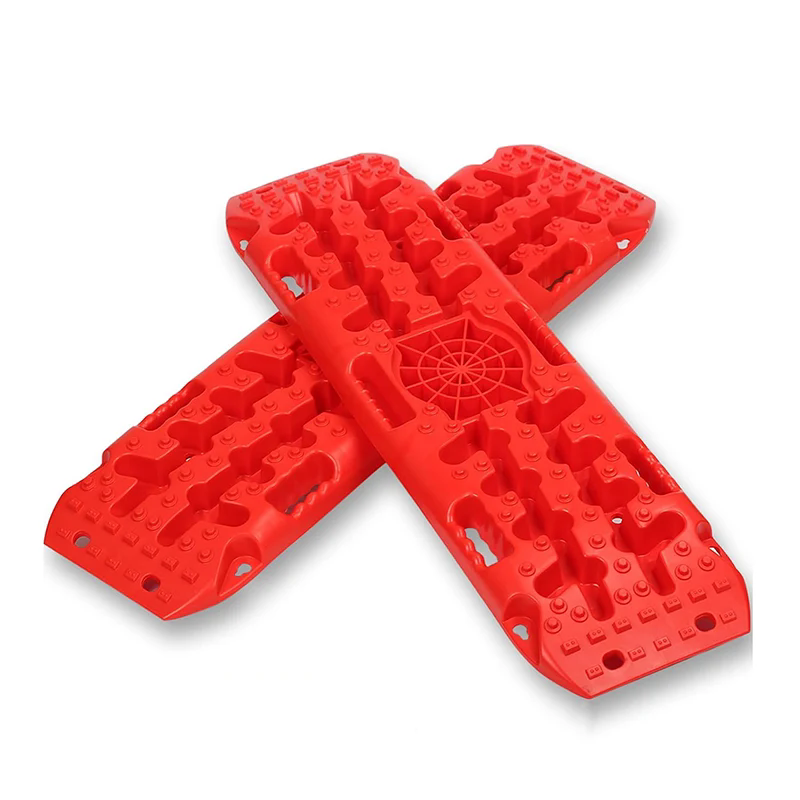
Table of Contents
- Outline
- What Are Tire Recovery Tracks
- Why Tire Recovery Tracks Matter
- Key Features and Materials
- How to Use Tire Recovery Tracks Effectively
- Performance Comparison
- Common Mistakes to Avoid
- Maintenance and Storage Tips
- Frequently Asked Questions
- Conclusion and Contact Information
Outline
- Introduction to Tire Recovery Tracks and their role in off-road safety
- Core engineering principles behind traction recovery systems
- Material science and structural design advantages
- Step-by-step usage instructions for different terrains
- Comparison with alternative recovery methods
- Risk mitigation and user safety practices
- Long-term care and product durability optimization
What Are Tire Recovery Tracks?
Tire Recovery Tracks are portable traction devices placed under vehicle tires to help restore mobility when wheels lose grip. They function as an artificial traction surface, allowing tires to climb out of soft or unstable ground conditions. These tools are widely used in off-road driving, desert exploration, winter driving, and rural logistics operations.
Modern recovery tracks are engineered using reinforced polymers or composite materials that balance flexibility, strength, and load-bearing capacity. Companies such as MEITAI have developed advanced versions designed for durability and multi-terrain compatibility.
Why Tire Recovery Tracks Matter
Getting stuck off-road is not just inconvenient—it can be dangerous. Traditional recovery methods such as towing straps or winches require additional equipment or another vehicle. Tire Recovery Tracks provide a self-recovery solution that reduces dependency on external help.
- Safety improvement: Reduces risk of wheel spin injuries and vehicle damage.
- Time efficiency: Enables quick recovery without waiting for assistance.
- Cost reduction: Minimizes need for professional towing services.
- Versatility: Works across mud, snow, sand, and gravel.
Key Features and Materials
High-quality Tire Recovery Tracks are designed with structural reinforcement patterns that increase friction and load distribution. Below is a breakdown of key features:
| Feature | Description | Benefit |
|---|---|---|
| High-strength polymer | Industrial-grade reinforced plastic | Resists cracking under pressure |
| Anti-slip surface | Textured grip patterns | Improves tire traction instantly |
| Flexible structure | Slight bending under load | Adapts to uneven terrain |
| UV resistance | Sunlight protection coating | Extends outdoor lifespan |
How to Use Tire Recovery Tracks Effectively
Proper usage is critical for maximizing performance and preventing damage. Follow these steps:
- Clear excess debris from around the tires to improve contact.
- Position the Tire Recovery Tracks directly in front of or behind the stuck tires.
- Gently accelerate to allow the tire to climb onto the track surface.
- Maintain steady throttle pressure to avoid spinning.
- Once traction is regained, slowly exit the difficult terrain.
In deep sand or mud, stacking multiple tracks or placing them at a slight angle can further enhance traction efficiency.
Performance Comparison
| Method | Effectiveness | Equipment Needed | Risk Level |
|---|---|---|---|
| Tire Recovery Tracks | High | Single operator tool | Low |
| Winch Recovery | Very High | Winch + anchor point | Medium |
| Towing Strap | High | Second vehicle required | Medium |
| Digging by hand | Low | Basic tools | High fatigue risk |
Common Mistakes to Avoid
Even durable recovery equipment can fail if misused. Avoid the following errors:
- Placing tracks too far from the tire contact point
- Over-accelerating, causing wheel spin
- Using damaged or cracked tracks
- Ignoring terrain direction and slope angle
- Failing to clean mud or sand before placement
Maintenance and Storage Tips
Proper maintenance ensures long-term durability and consistent performance. Leading manufacturers like MEITAI recommend the following practices:
- Rinse with clean water after exposure to mud or salt
- Store in a dry, shaded environment
- Avoid stacking heavy objects on top
- Inspect regularly for cracks or deformation
- Keep away from prolonged direct heat exposure
Frequently Asked Questions
Q1: Can Tire Recovery Tracks support heavy vehicles?
Yes. Heavy-duty models are designed to support SUVs, trucks, and overlanding vehicles depending on load rating.
Q2: Are they reusable?
Absolutely. High-quality recovery tracks are designed for repeated use across various terrains.
Q3: Do they work in extreme cold?
Yes, many are engineered with cold-resistant polymers to maintain flexibility in snow and ice conditions.
Q4: How many tracks do I need?
Typically two are sufficient, but four provide better stability in severe conditions.
Conclusion and Contact Information
Tire Recovery Tracks are an indispensable tool for modern off-road travel. Their ability to provide immediate traction recovery makes them one of the most practical safety investments for drivers navigating unpredictable terrain. By reducing reliance on external assistance, they improve independence, safety, and operational efficiency in remote environments.
For high-performance and durable recovery solutions, MEITAI offers professionally engineered Tire Recovery Tracks designed for demanding outdoor conditions.
If you are ready to upgrade your off-road safety kit and improve recovery efficiency in any terrain, contact us today and let MEITAI provide the solution that keeps you moving forward.