

How Do Golf Wedges Improve Your Short Game Performance?
2026-05-27
Golf wedges are among the most important clubs in a golfer’s bag, especially when accuracy, spin control, and short-distance precision matter most. Whether you are struggling with bunker shots, inconsistent chips, or poor approach accuracy around the green, choosing the right golf wedges can dramatically improve your performance. In this guide, we will explore how golf wedges work, the different wedge types, how to select the best option for your playing style, and common mistakes golfers should avoid.
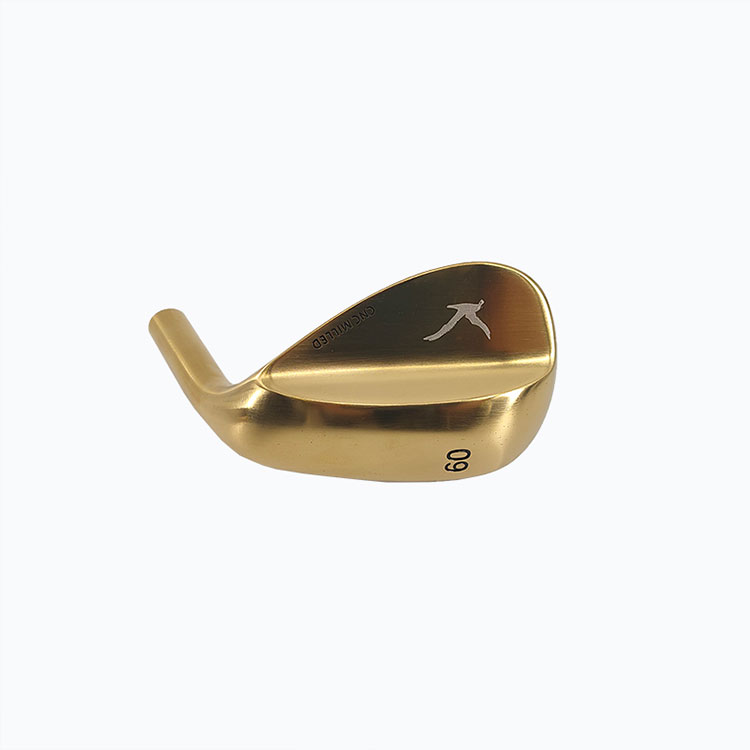
Table of Contents
Why Golf Wedges Matter
Golf wedges are specially designed clubs used for short approach shots, chips, bunker shots, and shots around the green. Unlike long irons or drivers, wedges focus on control rather than distance. A properly fitted wedge allows golfers to generate better spin, softer landings, and more accurate shot placement.
Many golfers lose strokes not because of poor driving distance, but because of weak short-game performance. The right wedge setup can help players improve consistency and confidence during scoring opportunities.
| Benefit | Impact on Performance |
|---|---|
| Higher Spin | Improves stopping power on greens |
| Better Accuracy | Enhances approach shot precision |
| Versatility | Allows multiple shot types around greens |
| Improved Bunker Play | Helps escape sand traps more easily |
Different Types of Golf Wedges
Understanding the various wedge categories is essential when building a complete golf bag. Each wedge has a specific purpose based on loft angle and shot requirements.
- Pitching Wedge (PW): Typically ranges from 44° to 48° loft and is used for full shots and longer approach shots.
- Gap Wedge (GW): Usually between 50° and 54° loft, designed to fill the distance gap between pitching and sand wedges.
- Sand Wedge (SW): Commonly features 54° to 58° loft and excels in bunker shots and soft lies.
- Lob Wedge (LW): Generally has 58° to 64° loft, ideal for high, soft shots near the green.
Professional and amateur golfers often carry multiple wedges to create better distance control and shot versatility.
How to Choose the Right Loft
Loft selection directly affects launch angle, spin rate, and shot distance. Choosing improper loft spacing can create inconsistent yardage gaps between clubs.
Most golfers benefit from maintaining a 4° to 6° loft difference between wedges. This setup helps create predictable distances throughout the short game.
| Wedge Type | Typical Loft | Main Usage |
|---|---|---|
| Pitching Wedge | 44°-48° | Approach shots |
| Gap Wedge | 50°-54° | Distance gap control |
| Sand Wedge | 54°-58° | Sand and rough shots |
| Lob Wedge | 58°-64° | High-spin short shots |
Understanding Bounce and Grind
Bounce refers to the angle between the leading edge and the lowest point of the wedge sole. It significantly affects turf interaction and shot forgiveness.
Golfers who play on soft turf or in fluffy sand generally benefit from higher bounce wedges, while players on firm ground may prefer lower bounce designs.
Mid Bounce: Suitable for most average playing conditions.
High Bounce: Excellent for soft sand and steep swings.
Grind refers to the shaping of the wedge sole. Different grinds allow golfers to manipulate face angle and shot trajectory more effectively.
What Makes a High-Quality Wedge
Premium golf wedges are usually manufactured using forged or cast carbon steel. Groove precision, face texture, center of gravity placement, and finish quality all contribute to overall performance.
At Albatross Sports, golf wedge development focuses on balancing feel, durability, spin performance, and player confidence. Carefully engineered groove technology can help golfers achieve more consistent spin control under different course conditions.
- Precision CNC milled grooves for improved spin
- Balanced clubhead weighting for better feel
- Durable finishes that resist wear
- Multiple loft and bounce combinations
- Forgiving sole designs for amateur golfers
Common Mistakes Golfers Make
Many golfers purchase wedges without considering course conditions, swing style, or proper loft spacing. This often leads to inconsistent performance.
- Using the same wedge for every short-game shot
- Ignoring bounce angle selection
- Choosing wedges only based on appearance
- Failing to replace worn grooves
- Leaving large yardage gaps between wedges
Proper wedge fitting and practice routines are essential for maximizing short-game efficiency.
Golf Wedge Maintenance Tips
Maintaining wedge grooves and clubfaces is critical for preserving spin performance and shot consistency.
- Clean grooves after every round
- Dry clubs thoroughly to prevent rust
- Inspect grooves regularly for wear
- Store wedges in a dry environment
- Replace wedges when spin performance decreases
FAQ
How many wedges should a golfer carry?
Most golfers carry between three and four wedges to maintain consistent yardage spacing and improve versatility around the greens.
What loft is best for bunker shots?
Sand wedges with 54° to 56° loft and moderate to high bounce are commonly preferred for bunker play.
How often should wedges be replaced?
Frequent golfers may need to replace wedges every 75 to 100 rounds to maintain optimal groove sharpness and spin performance.
Are forged wedges better than cast wedges?
Forged wedges generally provide softer feel and better feedback, while cast wedges may offer additional durability and affordability.
Final Thoughts
Golf wedges are essential scoring tools that directly influence short-game performance, shot control, and confidence around the green. Understanding loft, bounce, grind, and club design can help golfers select the ideal wedges for their playing style and course conditions.
Whether you are a beginner golfer or an experienced player seeking better consistency, investing in quality wedges can make a measurable difference in your game. Albatross Sports continues to provide reliable golf wedge solutions designed to support precision, durability, and performance.
Contact Us
Looking for professional golf wedges with excellent feel, spin control, and performance? Explore the latest wedge collection from Albatross Sports and discover the right solution for your golf business or personal needs.