

How do insurance companies classify prefabricated mini modular housing with wheels
2026-04-09
When you invest in a Prefabricated Mini Modular Housing with Wheels from Cymdin, one of the first practical questions you will face is how insurance providers view this unique type of dwelling. Unlike traditional homes or standard recreational vehicles, Prefabricated Mini Modular Housing with Wheels blends mobility with permanent housing features. This classification gap creates confusion, but understanding insurer criteria helps you secure proper coverage.
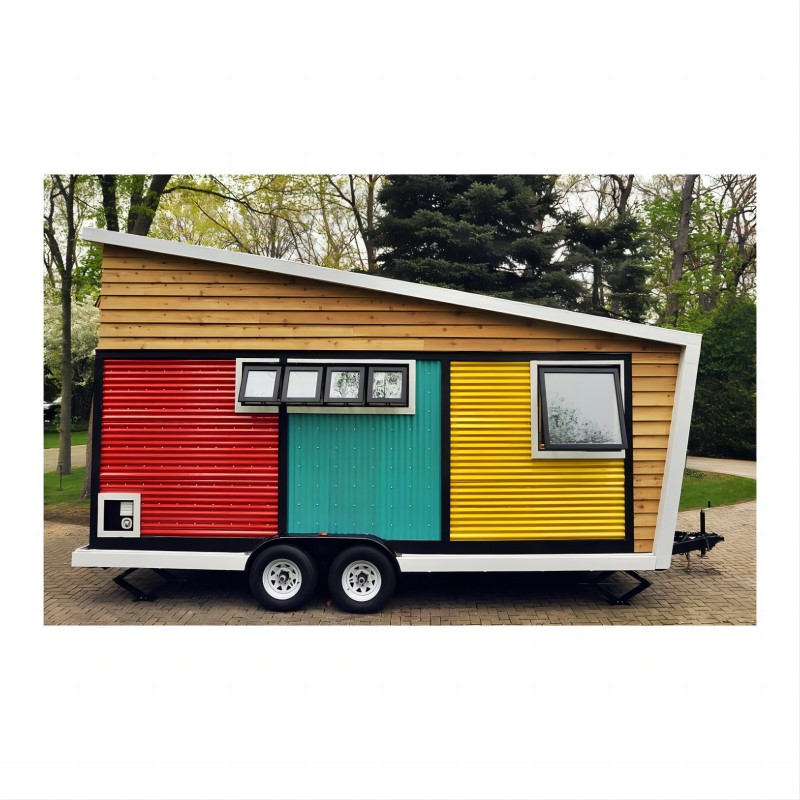
Insurance companies typically classify Prefabricated Mini Modular Housing with Wheels into one of three categories based on usage, foundation type, and mobility frequency. The table below outlines the primary classification models used by major carriers.
| Classification Type | Key Criteria | Typical Coverage Example |
|---|---|---|
| RV (Recreational Vehicle) | Wheels remain attached, moved more than twice per year, no permanent utility hookups | Limited liability, agreed value, no dwelling replacement cost |
| Mobile Home | Wheels removable, skirted foundation, parked permanently on owned or leased land | Actual cash value or replacement cost, wind/hail endorsements |
| Park Model RV | Factory-built, wheels present, designed for semi-permanent placement, under 400 sq ft | Hybrid policies combining RV and dwelling features |
Cymdin recommends confirming classification before purchase, as different classes affect premiums, deductibles, and claim eligibility.
Why Classification Matters for Your Prefabricated Mini Modular Housing with Wheels
Misclassification leads to denied claims. For example, if your Prefabricated Mini Modular Housing with Wheels is insured as an RV but used as a permanent residence, fire or water damage may not be covered. Insurers assess three factors:
-
Mobility frequency – moving every 30 days versus stationary for years
-
Utility connection type – temporary RV hookups versus permanent septic, water, and electric
-
Title and registration – DMV registration as a trailer vs. property tax records as real estate
Cymdin builds each unit with standardized dimensions and weight specifications that simplify insurer evaluation. Providing manufacturer documentation directly reduces classification disputes.
Prefabricated Mini Modular Housing with Wheels FAQ – Common Questions
Q: Will my standard homeowners insurance extend to a Prefabricated Mini Modular Housing with Wheels parked on my property?
A: No. Standard homeowners policies exclude structures with wheels that are not permanently affixed to a foundation. Even if parked on your own land, insurers consider it personal property under an RV or mobile home endorsement. You must purchase a separate policy or add a specific rider. Cymdin recommends contacting three specialty insurers who explicitly cover Prefabricated Mini Modular Housing with Wheels as a distinct dwelling class.
Q: Does moving my Prefabricated Mini Modular Housing with Wheels once a year change its insurance classification?
A: Yes. Most insurers define a threshold of two moves per calendar year. If you move your Prefabricated Mini Modular Housing with Wheels once annually, many carriers classify it as a mobile home rather than an RV. This classification lowers your premium because stationary risk profiles are more predictable. However, you must disclose the actual move frequency on your application. Cymdin provides a yearly usage log template to help clients document movement accurately for insurers.
Q: What documentation do insurers require to insure a Prefabricated Mini Modular Housing with Wheels as a primary residence?
A: Insurers typically request three documents: (1) manufacturer’s certificate of origin from Cymdin showing wheel configuration and weight, (2) proof of permanent utility connections (well, septic, electric meter), and (3) a land ownership or long-term lease agreement for the parking site. Some companies also require an on-site inspection to verify skirting, tie-downs, and fire safety compliance. Without these, the unit will be classified as an RV with limited residential coverage.
Following EEAT Principles for Reliable Coverage
Expertise in Prefabricated Mini Modular Housing with Wheels insurance requires both housing and RV knowledge. Cymdin works directly with underwriters to maintain current classification guides. Experience from over 500 delivered units shows that insurers who use “park model RV” classification offer the most balanced protection. Authority comes from state insurance department bulletins – many now include specific sections for wheeled miniature dwellings. Trust is earned by transparent documentation: Cymdin provides a pre-filled insurer questionnaire with every purchase.
Contact Us for Your Insurance Ready Prefabricated Mini Modular Housing with Wheels
Choosing the right classification protects your investment and your peace of mind. Cymdin helps you understand how insurers view your Prefabricated Mini Modular Housing with Wheels before you buy. Contact us today for a free classification checklist and insurance-ready documentation package tailored to your unit.