

How Do Sports Sunglasses Enhance Athletic Performance and Safety?
2025-12-16
In the world of sports, vision clarity and eye protection are paramount. Sports sunglasses are specifically engineered to optimize visual performance while providing maximum safety under dynamic conditions. Unlike casual eyewear, these sunglasses integrate advanced lens technologies, durable frames, and ergonomic designs to meet the demands of athletes across disciplines such as cycling, running, skiing, and water sports.
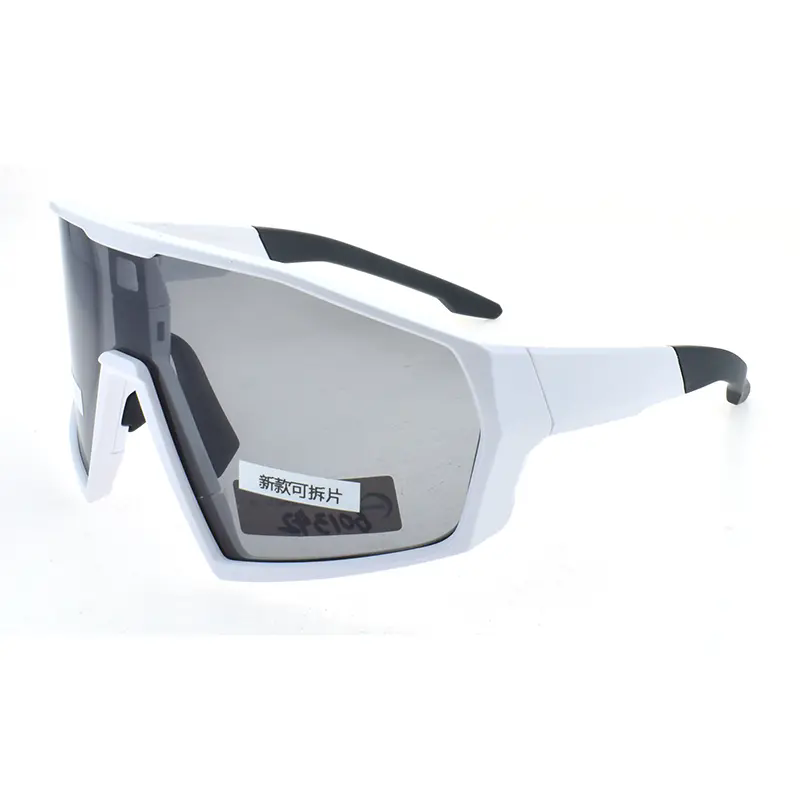
The central focus of this article is to explore how sports sunglasses support athletic performance, prevent eye injuries, adapt to varying environmental conditions, and contribute to long-term ocular health. By examining key product parameters, usage scenarios, and common consumer questions, this guide will offer a comprehensive understanding of why sports sunglasses are not merely an accessory but an essential tool for professional and recreational athletes alike.
| Parameter | Specification |
|---|---|
| Lens Material | Polycarbonate / Trivex, impact-resistant |
| Lens Technology | Polarized, Photochromic, Anti-reflective coating |
| UV Protection | 100% UVA/UVB protection |
| Frame Material | TR90 thermoplastic, aluminum alloy, or lightweight composite |
| Lens Shapes | Wraparound, shield, or semi-rimless |
| Weight | 25-35 grams (lightweight design) |
| Adjustable Features | Nose pads, temple tips, and flexible hinges |
| Ventilation | Integrated airflow channels to reduce fogging |
| Sports Applications | Running, Cycling, Skiing, Water Sports, Golf |
These technical specifications illustrate that sports sunglasses are designed not only for style but for measurable functional advantages, ensuring athletes maintain sharp vision, comfort, and safety in diverse outdoor environments.
How Can Sports Sunglasses Improve Visual Clarity During Outdoor Activities?
Visual clarity is critical for athletes who rely on precise depth perception and contrast recognition. Sports sunglasses achieve this through a combination of polarized lenses, anti-glare coatings, and photochromic technology. Polarized lenses reduce reflective glare from surfaces such as water, snow, or asphalt, while anti-reflective coatings eliminate internal reflections within the lens structure. Photochromic lenses automatically adjust to changing light conditions, enhancing visibility without the need to switch eyewear.
Athletes benefit from the wraparound design of modern sports sunglasses, which provides an unobstructed field of view. The curvature of the lenses ensures peripheral protection, allowing for a 180-degree visual range while maintaining optical accuracy. Moreover, impact-resistant lens materials such as polycarbonate and Trivex prevent lens breakage under high-speed collisions, contributing to both safety and performance reliability.
Common Questions About Visual Clarity:
Q: Can sports sunglasses reduce eye fatigue during prolonged outdoor activity?
A: Yes, by filtering harmful UV rays, reducing glare, and enhancing contrast, sports sunglasses minimize strain on the eyes. This allows athletes to maintain visual focus for extended periods, particularly in high-glare environments such as snowfields, water surfaces, or sunny tracks.
Q: Are polarized lenses suitable for all types of sports?
A: Polarized lenses are ideal for activities with high reflective surfaces, like water sports and cycling on asphalt. However, in low-light or indoor conditions, they may slightly reduce visibility, so photochromic or interchangeable lenses are recommended for multi-condition use.
How Do Sports Sunglasses Ensure Safety and Durability During High-Impact Sports?
Sports sunglasses are engineered to withstand intense physical activity. High-impact sports such as mountain biking, skiing, or motocross demand eyewear that can survive unexpected collisions, debris impact, and sudden changes in motion. Lens materials like polycarbonate and Trivex offer shatter-resistant performance, while durable frame materials such as TR90 thermoplastics provide flexibility without compromising structural integrity.
Ergonomic designs further enhance safety by incorporating adjustable nose pads and temple tips, which secure the sunglasses in place even during rapid movements. Many models feature wraparound frames that shield the eyes from wind, dust, and particulate matter, significantly reducing the risk of eye injury. Ventilation channels prevent fogging, maintaining clear vision and reducing distraction.
In addition to material resilience, sports sunglasses are subjected to rigorous testing standards, including ANSI Z87.1 and ISO 12312-1, ensuring they meet or exceed industry requirements for impact resistance and optical clarity. This makes them a reliable choice for both professional athletes and enthusiasts.
Common Questions About Safety and Durability:
Q: What makes TR90 frames suitable for extreme sports?
A: TR90 frames are lightweight, flexible, and resistant to heat or chemical damage. Their elasticity allows them to bend under stress without breaking, making them ideal for high-movement sports.
Q: How do wraparound lenses improve eye protection?
A: Wraparound lenses provide peripheral coverage, blocking wind, debris, and UV rays from multiple angles. This design reduces the likelihood of accidental eye contact with external hazards, enhancing overall safety during outdoor activity.
How Are Sports Sunglasses Evolving with Lens Technology and Wearer Needs?
The sports eyewear industry is witnessing continuous innovation, driven by the need for adaptive performance, comfort, and protection. Modern sports sunglasses integrate technologies such as:
-
Photochromic Lenses: Automatically adjust tint according to ambient light, ideal for variable conditions.
-
Interchangeable Lenses: Allow athletes to switch lenses for different weather or terrain conditions without changing the frame.
-
Anti-fog and Hydrophobic Coatings: Prevent moisture accumulation during high-intensity exertion or water-based activities.
-
Smart Lenses with Heads-Up Displays: Emerging technology integrates fitness data, navigation, and communication features directly into eyewear.
As these innovations advance, sports sunglasses are not only a protective tool but a performance enhancer that adapts to each athlete’s unique requirements. Lightweight, ergonomic, and high-tech designs are redefining expectations for visual clarity, safety, and comfort.
How Can Consumers Select the Right Sports Sunglasses for Their Activities?
Selecting the ideal pair of sports sunglasses involves evaluating lens type, frame fit, sport-specific design, and personal comfort. Key considerations include:
-
Activity Type: Cycling requires aerodynamic wraparound frames, while skiing benefits from anti-fog coatings and wide peripheral coverage.
-
Lens Technology: Polarized lenses are best for glare-heavy environments; photochromic lenses are suitable for variable light conditions.
-
Fit and Adjustability: Frames must stay secure without causing pressure points; adjustable nose pads and temple arms improve stability.
-
Durability and Weight: Lightweight materials reduce fatigue during long-term use, while impact-resistant frames ensure safety in high-speed sports.
When selecting sports sunglasses, athletes should prioritize features that directly enhance their performance while maintaining eye protection. Trusted brands like HIVISION offer a broad range of solutions tailored to diverse sports, incorporating cutting-edge lens technologies, ergonomic designs, and durable materials.
For detailed product information, custom solutions, or bulk orders, contact us directly to ensure the best fit for your specific sporting needs.