

How Do Sports Sunglasses Enhance Performance, Protection, and Future Outdoor Experiences?
2025-12-09
Sports sunglasses play a defining role in elevating athletic performance by improving visual clarity, reducing glare, and protecting the eyes from harmful UV exposure. As outdoor sports continue to evolve, high-performance eyewear has become a necessary part of every athlete’s gear, not just a fashion accessory.
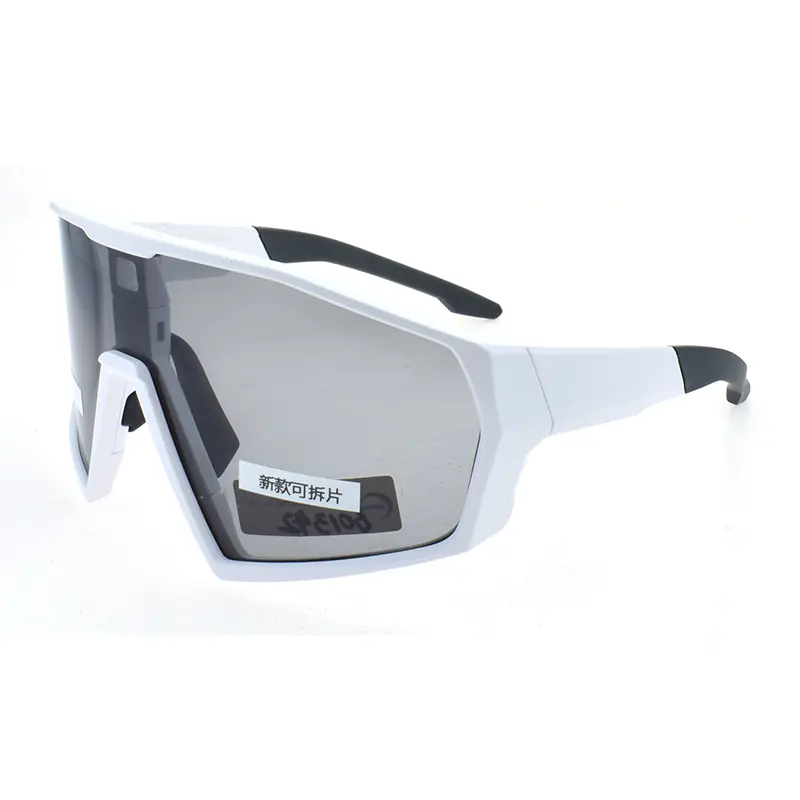
Below is a detailed overview of representative technical parameters commonly integrated into high-grade sports sunglasses:
| Feature Category | Technical Parameters |
|---|---|
| Lens Material | Polycarbonate / TAC polarization / Anti-impact resin |
| UV Protection | UV400 full-spectrum blocking |
| Lens Coatings | Anti-scratch, anti-fog, hydrophobic coating, mirror finish options |
| Frame Material | TR90 high-flexibility polymer / Lightweight aviation aluminum |
| Weight | 21–28 g depending on model |
| Optical Clarity | 1.0 grade distortion-free visual accuracy |
| Adjustability | Replaceable nose pads, adjustable temples |
| Safety Standards | Meets ANSI Z87.1 / EN ISO 12312-1 |
| Special Lens Options | Photochromic lenses, polarized lenses, interchangeable lenses |
| Sport Usage | Cycling, running, baseball, fishing, golf, mountaineering, motorsport |
How Do Sports Sunglasses Improve Performance Across Outdoor Activities?
Sports sunglasses significantly influence an athlete’s ability to perform consistently in changing outdoor conditions. The advantages extend far beyond simple sun shading; these specialized lenses are engineered to deliver higher contrast, precise color recognition, and stable optical performance under movement.
Visual Clarity and Optical Stability
High-quality sports sunglasses utilize distortion-free lenses to maintain accuracy in peripheral vision. In sports such as cycling or mountain running, even a slight distortion may affect depth perception.
The design focuses on:
-
Wide-angle wraparound curvature to enhance peripheral vision
-
Multi-layer optical coatings that reduce haze
-
Impact-resistant materials to ensure stability despite movement
This clarity becomes essential when athletes face reflective surfaces such as water, asphalt, or snow.
Protection Against UV and Environmental Elements
Full UV400 protection shields the retina from UVA and UVB rays. Prolonged sunlight exposure increases the risk of eye fatigue, photokeratitis, and long-term vision damage.
Additionally, sports sunglasses offer:
-
Physical shielding against debris
-
Wind resistance for cycling and mountain activities
-
Anti-fog systems to maintain clarity in humid or fast-changing temperatures
Enhanced Contrast and Color Precision
Modern lenses adopt contrast-enhancing materials that help athletes interpret surface textures more accurately:
-
Runners can better see road irregularities
-
Cyclists detect gravel, potholes, or wet spots more quickly
-
Golfers see grass gradients and terrain slopes with improved accuracy
By optimizing the wavelengths that reach the eye, these sunglasses serve as an extension of athletic capability.
Ergonomic Designs for Long-Term Comfort
Frames are engineered with TR90 or similar flexible materials to withstand bending without losing shape. Lightweight structures minimize pressure on the nose and temples, allowing athletes to wear them for extended periods without discomfort.
Additional ergonomic considerations include:
-
Non-slip rubber temple grips
-
Adjustable nose pads for a customized fit
-
Balanced weight distribution
The science behind comfort ensures that the sunglasses stay secure during sudden acceleration or rapid movement.
How Do Different Lens Technologies Affect Sports Performance?
Lens innovation is one of the core developments in the sports eyewear industry. Each lens type serves specific needs across different environments.
Polarized Lenses
Polarized lenses reduce glare created by reflective surfaces. This is particularly beneficial for:
-
Fishing
-
Water sports
-
Road cycling
-
Driving sports
By eliminating horizontal light waves, athletes can maintain visual focus without squinting.
Photochromic Lenses
Photochromic lenses automatically adjust to lighting conditions. When exposed to strong sunlight, they darken; in dim environments, they lighten.
They are ideal for sports with fluctuating light exposure, such as:
-
Mountain biking
-
Trail running
-
Snow sports
Interchangeable Lens Systems
Some sports sunglasses include multiple lenses for various scenarios:
-
Transparent lenses for night riding
-
Yellow lenses for low-light enhancement
-
Dark mirror lenses for bright midday sunlight
This versatility increases usability across diverse weather and terrain conditions.
Anti-Fog and Hydrophobic Coatings
High-humidity environments and cold temperatures often interfere with lens visibility. Anti-fog coatings maintain moisture control, while hydrophobic layers repel water droplets to ensure clarity during rain or vigorous sweating.
How Do Sports Sunglasses Compare to Standard Sunglasses?
A comparison of sports sunglasses versus regular sunglasses highlights major performance differences:
Structural Design Differences
Sports sunglasses are engineered to withstand movement and shock, unlike casual eyewear designed mainly for fashion.
Sports eyewear offers:
-
Greater wraparound protection
-
Anti-impact lens construction
-
Enhanced secure grip
-
Lightweight high-flex frames
Purpose-Built Optical Enhancements
Standard sunglasses may not include:
-
True polarized filtering
-
Contrast enhancement
-
Fog resistance
-
Photochromic adaptability
These distinctions reflect the demands of athletic environments.
Performance Stability Under Extreme Conditions
Regular sunglasses may slip, fog, or distort vision during intense activity. Sports sunglasses resist these limitations, ensuring stable visibility regardless of speed, weather, or movement.
How Will Sports Sunglasses Evolve in the Future?
Future innovations in sports eyewear are driven by technological progress and the growing popularity of outdoor activities.
Integration of Smart Technologies
Emerging concepts include:
-
Heads-up display for real-time performance data
-
GPS tracking integrated into lens overlays
-
Built-in sensors for UV exposure monitoring
-
Adaptive tint lenses with electronic modulation
These advancements may transform sports sunglasses into multifunctional smart devices.
Sustainable and Eco-Friendly Materials
As sustainability becomes crucial globally, manufacturers are exploring:
-
Biodegradable frames
-
Recycled polycarbonate lenses
-
Reduced-waste production processes
Future products are expected to mix environmental responsibility with performance durability.
Extreme Weather Adaptability
Next-generation lenses may include advanced photochromic layers capable of faster, more accurate transitions between light conditions, optimizing performance for endurance athletes who pass rapidly through sun and shade.
Custom-Fitted Ergonomic Designs
3D scanning and digital modeling could enable personalized fits for customers, reducing slippage and increasing facial contour compatibility.
Common Questions About Sports Sunglasses
Q1: How should athletes choose the most suitable lens color for different sports?
A1: Lens color directly influences contrast and clarity. Gray lenses maintain natural colors and are ideal for bright sunlight. Brown and amber lenses enhance contrast, making them suitable for cycling, running, and golf. Yellow lenses perform well in foggy or low-light environments. Athletes should evaluate the lighting and terrain of their sport before selecting a lens color to ensure optimal visual recognition.
Q2: How often should sports sunglasses be replaced for maximum protection?
A2: High-quality sports sunglasses can last several years with proper care, but lenses may degrade over time from UV exposure, scratches, and environmental damage. Athletes should inspect lenses regularly for visual distortion, coating wear, or frame loosening. For those frequently training in extreme conditions, replacing sunglasses every 1–2 years ensures peak optical clarity and UV protection.
How Can Athletes Select the Best Sports Sunglasses for Long-Term Use?
Sports sunglasses contribute to performance enhancement by improving clarity, reducing eye strain, optimizing contrast, and protecting against harmful environmental elements. As outdoor sports continue to grow in popularity, the demand for advanced eyewear with refined optical engineering, durable frames, and intelligent adaptability will also increase.
Brands committed to innovation, such as HIVISION, focus on delivering high-standard protective eyewear designed for both professionals and everyday athletes. With continuous research and development, the goal remains to empower athletes through clearer vision, better comfort, and reliable safety across all sports environments.
For more product details, customization options, or wholesale cooperation, contact us to explore how high-performance sports sunglasses can elevate your outdoor experience.