

How Do Sunshade Nets Improve Crop Protection and Outdoor Comfort?
2026-06-11
Sunshade nets have become an essential solution for agriculture, horticulture, construction sites, greenhouses, livestock farms, and outdoor spaces. They help reduce excessive sunlight, lower temperatures, protect plants from environmental stress, and create more comfortable working conditions. This article explores how sunshade nets work, their benefits, different shade percentages, selection criteria, applications, maintenance tips, and frequently asked questions to help buyers make informed decisions.
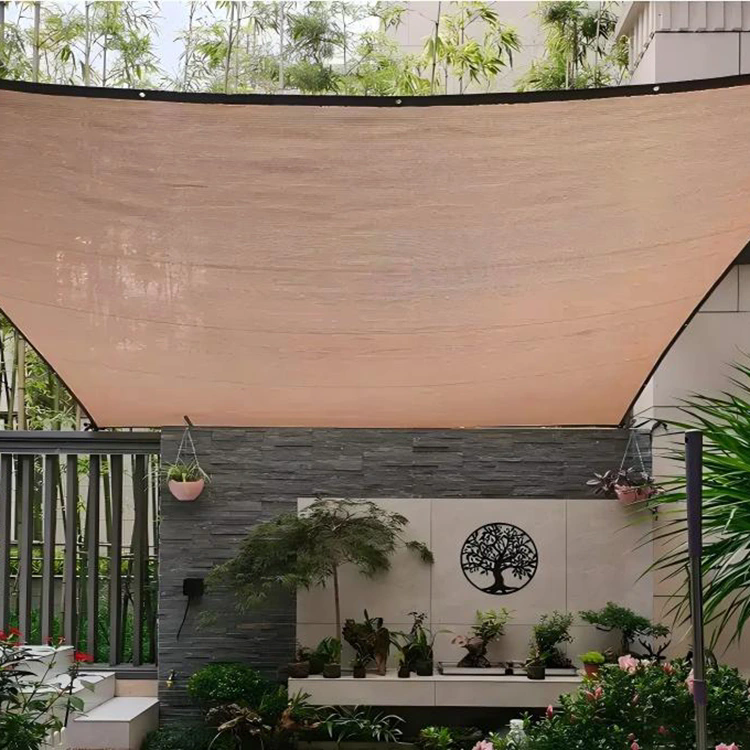
Table of Contents
- What Are Sunshade Nets?
- Why Are Sunshade Nets Important?
- How Do Sunshade Nets Work?
- Common Applications of Sunshade Nets
- Choosing the Right Shade Percentage
- Major Benefits of Using Sunshade Nets
- How to Select the Best Sunshade Net
- Maintenance and Service Life
- Sunshade Nets vs Other Shading Solutions
- Frequently Asked Questions
- Conclusion
What Are Sunshade Nets?
Sunshade nets are specially designed knitted or woven mesh fabrics manufactured primarily from high-density polyethylene (HDPE) with UV stabilizers. Their primary purpose is to regulate sunlight exposure while allowing air circulation and moisture movement.
Unlike solid covers that completely block sunlight, sunshade nets provide controlled shading. This balance helps plants, animals, workers, and outdoor users remain protected from excessive heat while still benefiting from natural ventilation.
Modern sunshade nets are available in multiple colors, sizes, and shading rates to meet different environmental and operational requirements.
- UV-resistant material
- Excellent airflow performance
- Lightweight yet durable construction
- Easy installation and removal
- Available in various shading percentages
Why Are Sunshade Nets Important?
Excessive sunlight can cause serious challenges across various industries. In agriculture, high temperatures and intense solar radiation may lead to leaf scorching, reduced photosynthesis efficiency, moisture loss, and lower crop yields. In outdoor workplaces, heat stress can negatively affect worker productivity and safety.
Sunshade nets provide an economical and effective method for controlling environmental conditions. By reducing direct sunlight exposure, they help create a more stable microclimate that supports healthier plant growth and more comfortable outdoor environments.
How Do Sunshade Nets Work?
The mesh structure of a sunshade net partially blocks incoming solar radiation while permitting air circulation. This process helps lower ambient temperatures beneath the net and reduces evaporation rates.
The effectiveness of the net depends largely on its shade factor. Higher shade percentages block more sunlight, while lower percentages allow greater light penetration.
| Shade Rate | Light Reduction | Typical Applications |
|---|---|---|
| 30%-40% | Low | Vegetables, nurseries, flowers |
| 50%-60% | Medium | Greenhouses, livestock shelters |
| 70%-80% | High | Parking areas, outdoor structures |
| 90%+ | Very High | Specialized industrial shading |
Common Applications of Sunshade Nets
Sunshade nets are widely used in numerous industries due to their versatility and effectiveness.
- Agriculture: Protecting crops from excessive sunlight and heat.
- Greenhouses: Regulating temperature and light levels.
- Nurseries: Supporting healthy seedling growth.
- Livestock Farming: Creating cooler resting areas for animals.
- Construction Sites: Reducing heat exposure for workers.
- Parking Areas: Protecting vehicles from direct sunlight.
- Sports Facilities: Improving comfort for spectators and participants.
- Residential Spaces: Enhancing patios, gardens, and outdoor seating areas.
Choosing the Right Shade Percentage
Selecting the correct shade percentage is one of the most important decisions when purchasing a sunshade net.
| Application | Recommended Shade Rate |
|---|---|
| Leafy vegetables | 30%-50% |
| Flower cultivation | 40%-60% |
| Greenhouses | 50%-70% |
| Livestock facilities | 60%-80% |
| Parking shelters | 70%-90% |
The ideal shading level depends on climate conditions, sunlight intensity, and the specific needs of the application.
Major Benefits of Using Sunshade Nets
-
Temperature Reduction
Helps lower temperatures in agricultural and outdoor environments. -
Improved Crop Quality
Reduces sunburn and heat stress while supporting healthy plant growth. -
Water Conservation
Decreases evaporation and improves irrigation efficiency. -
Enhanced Worker Comfort
Creates safer and more comfortable outdoor working conditions. -
UV Protection
Minimizes harmful UV exposure for plants, animals, and people. -
Cost-Effective Solution
Provides long-term protection with relatively low maintenance requirements. -
Versatile Installation
Suitable for temporary and permanent applications.
How to Select the Best Sunshade Net
Before purchasing a sunshade net, buyers should evaluate several factors to ensure optimal performance.
- Required shade percentage
- UV stabilization quality
- Material durability
- Net weight and density
- Installation environment
- Expected service life
- Climate conditions
- Customization requirements
Experienced manufacturers such as Yisen can provide customized solutions tailored to specific agricultural, industrial, and commercial projects.
Maintenance and Service Life
Proper maintenance significantly extends the lifespan of sunshade nets.
- Inspect nets regularly for tears or damage.
- Remove accumulated debris and dirt.
- Ensure secure fastening points.
- Store unused nets in dry, shaded environments.
- Avoid excessive mechanical stress during installation.
High-quality UV-stabilized sunshade nets can often provide reliable performance for multiple years, depending on environmental exposure and usage conditions.
Sunshade Nets vs Other Shading Solutions
| Feature | Sunshade Nets | Solid Covers |
|---|---|---|
| Ventilation | Excellent | Limited |
| Weight | Lightweight | Heavier |
| Installation | Easy | More Complex |
| Cost Efficiency | High | Moderate |
| Light Control | Adjustable | Limited Flexibility |
Frequently Asked Questions
Q1: What material is commonly used for sunshade nets?
A: Most high-quality sunshade nets are manufactured from UV-stabilized HDPE material because of its durability and weather resistance.
Q2: Can sunshade nets reduce temperature?
A: Yes. Depending on the shade percentage and environmental conditions, they can significantly lower temperatures beneath the covered area.
Q3: How long do sunshade nets last?
A: Premium products can remain effective for several years when properly installed and maintained.
Q4: Which shade percentage is best for crops?
A: The ideal percentage varies by crop type and climate, typically ranging from 30% to 70%.
Q5: Are custom sizes available?
A: Yes. Professional manufacturers such as Yisen can provide customized dimensions, colors, and shading levels based on project requirements.
Conclusion
Sunshade nets are a practical and efficient solution for managing sunlight, reducing heat, conserving water, and protecting crops, livestock, workers, and outdoor facilities. Their adaptability, affordability, and durability make them an essential component in modern agriculture and numerous commercial applications.
Whether you need protection for a greenhouse, nursery, farm, construction project, parking area, or outdoor recreational space, selecting the right sunshade net can significantly improve environmental conditions and operational efficiency.
Yisen provides high-quality sunshade nets with customizable sizes, colors, and shade percentages to meet diverse agricultural and industrial requirements. If you are planning a new project or upgrading your existing shading system, contact us today to discuss your requirements and receive professional product recommendations tailored to your application.