

How Does a Camping Tent Improve Outdoor Shelter and Comfort?
2026-03-03
Article Summary
A camping tent is more than a temporary shelter—it directly determines safety, comfort, and efficiency during outdoor activities. From protection against harsh weather to ensuring proper ventilation and space management, the right camping tent solves many challenges faced by campers, hikers, and outdoor professionals. This article provides a comprehensive explanation of how a camping tent works, how to choose the right model, and how to avoid common usage mistakes. It also explains material selection, structure design, performance indicators, and real-world applications, helping buyers make informed decisions and achieve reliable outdoor experiences.
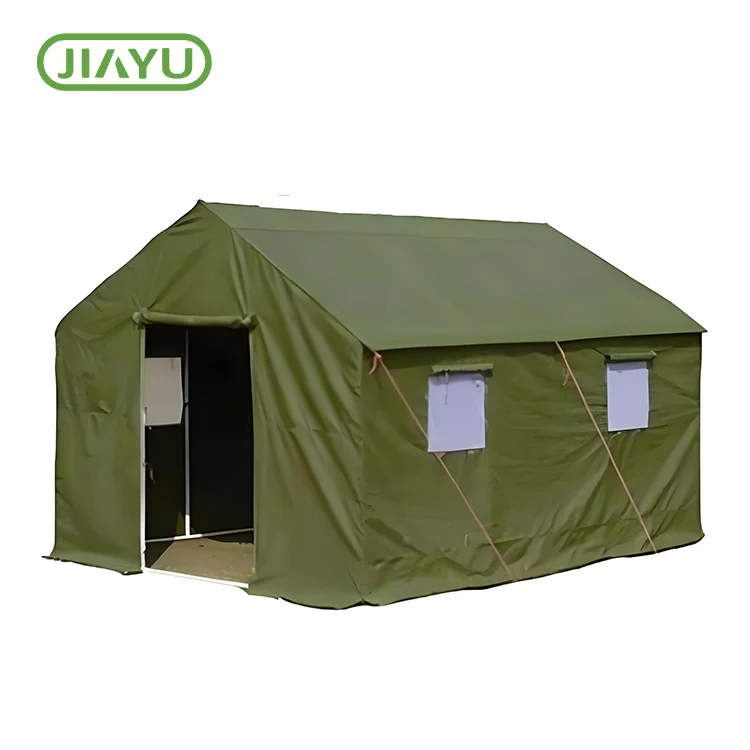
Table of Contents
- Camping Tent Overview
- Key Customer Pain Points
- Tent Structure and Design Logic
- Materials and Fabric Performance
- How to Choose the Right Camping Tent
- Camping Tent Comparison Table
- Usage and Setup Considerations
- Application Scenarios
- Frequently Asked Questions
- Conclusion and Contact Us
Camping Tent Overview
A camping tent is a portable enclosure designed to provide temporary protection against environmental conditions such as wind, rain, sunlight, insects, and temperature fluctuations. It serves as a critical base for outdoor activities including camping, trekking, mountaineering, fishing, and emergency response operations.
Modern camping tents are engineered with advanced materials, optimized structures, and functional layouts that balance durability, weight, and comfort. JIAYU develops camping tent solutions that emphasize weather resistance, structural stability, and ease of use, meeting the demands of both recreational users and professional outdoor teams.
Key Customer Pain Points
Outdoor users often face practical challenges when selecting or using a camping tent. These pain points directly affect safety and overall experience.
- Insufficient waterproof performance during heavy rain
- Poor ventilation leading to condensation buildup
- Complex setup procedures requiring excessive time
- Weak structural stability under strong wind conditions
- Limited interior space and poor layout design
- Excessive weight impacting portability
Understanding these issues is the first step toward choosing a camping tent that aligns with real-world usage conditions.
Tent Structure and Design Logic
The structure of a camping tent determines its load distribution, wind resistance, and internal space efficiency. Common structural designs include dome, tunnel, and frame-supported configurations.
- Dome Structure – Balanced stability, quick setup, suitable for most terrains
- Tunnel Structure – Maximized interior space, ideal for longer stays
- Geodesic Structure – Enhanced strength for extreme weather conditions
Each structure serves a different purpose, and selection should be based on environmental exposure and intended duration of use.
Materials and Fabric Performance
Camping tent performance depends heavily on fabric and component materials. High-quality materials enhance durability, comfort, and weather resistance.
- Polyester or nylon fabrics with waterproof coatings
- High-density mesh for ventilation and insect protection
- Aluminum or fiberglass poles for structural support
- Reinforced seams to prevent water penetration
JIAYU prioritizes material selection to ensure that each camping tent maintains consistent performance under repeated use and varying environmental conditions.
How to Choose the Right Camping Tent
Selecting a camping tent requires a clear evaluation of usage needs and environmental factors. A systematic approach reduces the risk of poor performance.
- Number of occupants and required internal space
- Seasonal usage and weather exposure
- Portability requirements and pack weight
- Setup time and operational convenience
- Durability expectations and service life
Matching these criteria with tent specifications ensures reliable shelter and improved outdoor efficiency.
Camping Tent Comparison Table
| Tent Type | Capacity | Key Advantage | Recommended Use |
|---|---|---|---|
| Dome Tent | 2–4 Persons | Easy setup, balanced stability | General camping |
| Tunnel Tent | 4–8 Persons | Spacious interior | Family or group camping |
| Geodesic Tent | 2–3 Persons | High wind resistance | Extreme environments |
Usage and Setup Considerations
Proper usage extends the lifespan of a camping tent and ensures safety during outdoor activities.
- Select flat and debris-free ground for setup
- Secure all anchor points and guy lines
- Ensure adequate ventilation to reduce condensation
- Dry the tent completely before storage
Routine inspection and maintenance help maintain structural integrity and fabric performance over time.
Application Scenarios
Camping tents support a wide range of outdoor and professional applications.
- Recreational camping and hiking
- Long-distance trekking and expeditions
- Fishing and hunting shelters
- Emergency response and disaster relief
- Outdoor exhibitions and temporary workspaces
Frequently Asked Questions
What determines a camping tent’s waterproof rating?
Waterproof performance depends on fabric coating, seam sealing, and overall construction quality.
How important is ventilation in a camping tent?
Proper ventilation prevents condensation and improves comfort, especially in humid environments.
Can one camping tent be used year-round?
Some designs support multi-season use, but extreme conditions require specialized tents.
How long can a camping tent last?
With proper maintenance, a high-quality camping tent can last for many years of regular use.
Conclusion and Contact Us
A well-designed camping tent is essential for safe, comfortable, and efficient outdoor living. By understanding structure, materials, and selection criteria, users can avoid common problems and enhance their overall outdoor experience. Reliable performance starts with informed choices and trusted manufacturing.
JIAYU is dedicated to delivering durable and practical camping tent solutions that meet diverse outdoor needs. If you are seeking professional guidance or customized camping tent options for your projects or markets, contact us today to explore how JIAYU can support your outdoor equipment requirements.