

How Does a Mini Tourist Gas Stove Compare to Liquid Fuel Stoves in Cold Weather Performance
2026-05-27
When winter camping or mountaineering, choosing the right cooking system is critical. A Mini Tourist Gas Stove such as those from Jiayu offers convenience and weight savings, but liquid fuel stoves have long been considered the gold standard for sub‑zero conditions. This detailed comparison helps you decide which stove performs best when temperatures drop.
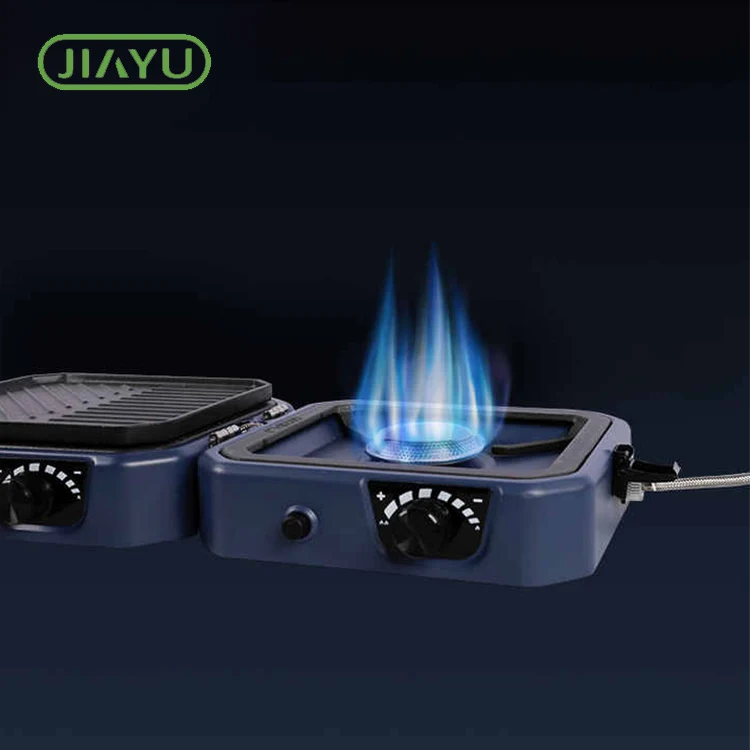
Key Performance Differences in Cold Weather
| Feature | Mini Tourist Gas Stove (e.g. Jiayu) | Liquid Fuel Stove |
|---|---|---|
| Fuel type | Isobutane‑propane mix | White gas, kerosene, or diesel |
| Cold start threshold | Down to 20°F (-7°C) with standard canisters | Down to -20°F (-29°C) or lower |
| Priming required | No | Yes (preheating the fuel line) |
| Altitude adaptability | Good up to 10,000 ft | Excellent at any altitude |
| Boil time at 15°F (-9°C) | 5–6 minutes (with winter mix) | 3–4 minutes |
| Weight (stove only) | 3–6 oz (85–170g) | 10–20 oz (283–567g) |
Why Cold Weather Slows Down a Mini Tourist Gas Stove
Most Mini Tourist Gas Stove models rely on isobutane‑propane blends. In cold temperatures, the fuel pressure drops because the liquid inside the canister struggles to vaporize. At 20°F (-7°C), performance begins to decline noticeably. Below 10°F (-12°C), some stoves may fail to light or produce a weak, flickering flame.
Jiayu has improved cold‑weather performance by adding pre‑heat tubes and using premium fuel blends. However, even the best Mini Tourist Gas Stove cannot match the reliability of a liquid fuel stove in extreme cold without extra accessories like insulated canister boots or warm water baths.
Advantages of a Mini Tourist Gas Stove in Winter
Despite the challenges, a Mini Tourist Gas Stove remains a smart choice for many cold‑weather scenarios:
-
Ultralight and compact – perfect for fast alpine ascents or multi‑day ski tours
-
No priming – instant ignition without the smell or soot of liquid fuels
-
Simplicity – fewer moving parts, less to repair in the field
-
Cost‑effective – Jiayu models offer reliable performance at a fraction of liquid stove prices
When to Choose a Liquid Fuel Stove Instead
Choose a liquid fuel stove for expeditions where temperatures stay below 0°F (-18°C) for days, or at altitudes above 12,000 feet. Liquid fuel stoves maintain consistent pressure because you can pressurize the fuel bottle manually, independent of ambient temperature.
Mini Tourist Gas Stove FAQ – Cold Weather Edition
Q: Can I use a regular Mini Tourist Gas Stove in freezing temperatures without any modifications?
A: You can, but performance will drop significantly below 20°F (-7°C). The fuel mixture inside standard canisters loses pressure, resulting in a weak flame and longer boil times. To improve cold‑weather operation, use a winter isobutane blend (higher propane content), keep the canister inside your jacket before use, or place it on a small insulating pad like a foam sleeping pad. Some Jiayu models with integrated pre‑heat tubes perform slightly better than basic designs, but no unmodified Mini Tourist Gas Stove matches a liquid fuel stove below 10°F (-12°C).
Q: How does a Mini Tourist Gas Stove with an inverted canister system work in the snow
A: An inverted canister system allows the Mini Tourist Gas Stove to draw liquid fuel instead of vapor, similar to liquid fuel stoves. This design improves cold‑weather performance down to about -5°F (-20°C). The stove must have a pre‑heating tube that vaporizes the liquid before combustion. Jiayu offers specific inverted‑compatible models for winter camping. The main trade‑off is added weight (the inverted adapter) and slightly more complexity. Even then, extreme cold below -10°F (-23°C) still favors dedicated liquid fuel stoves.
Q: Why does my Mini Tourist Gas Stove produce yellow flame and soot when it is very cold outside
A: A yellow, sooty flame indicates incomplete combustion caused by low fuel pressure. In freezing conditions, the isobutane‑propane mix inside the canister fails to vaporize properly. The stove tries to burn a liquid‑rich mixture, creating carbon deposits and reducing heat output. This issue worsens as the canister empties because less internal pressure remains. To fix it, warm the canister to 40-50°F (4-10°C) by placing it in your jacket or sleeping bag for 10 minutes before cooking. Also check your Jiayu stove’s jet for clogs – soot can block the nozzle. If soot appears repeatedly in mild cold (above 20°F), the fuel blend may be poor quality.
Final Verdict
A Mini Tourist Gas Stove from Jiayu works well for winter day hikes, hut‑to‑hut tours, and alpine starts where temperatures stay above 15°F (-9°C). For true polar conditions or multi‑week expeditions below 0°F, a liquid fuel stove remains the safer, more dependable choice. Many experienced winter campers carry a Mini Tourist Gas Stove as a backup because of its tiny packed size and instant ignition.
Contact us today at Jiayu to explore our full range of Mini Tourist Gas Stove models engineered for reliable cold‑weather performance – our team provides personalized recommendations and fast shipping for all your winter adventures.