

How Does a Walking Pole Improve Stability, Endurance, and Safety During Outdoor Activities?
2026-03-10
Article Summary
Walking poles have become essential equipment for hikers, trekkers, and outdoor enthusiasts who seek better balance, reduced joint stress, and improved endurance during long-distance walking. This article explains how walking poles function, why they are beneficial, what features to consider when selecting one, and how to use them properly. It also addresses common concerns such as durability, materials, and terrain compatibility. With the right walking pole, outdoor activities become safer, more comfortable, and more efficient.
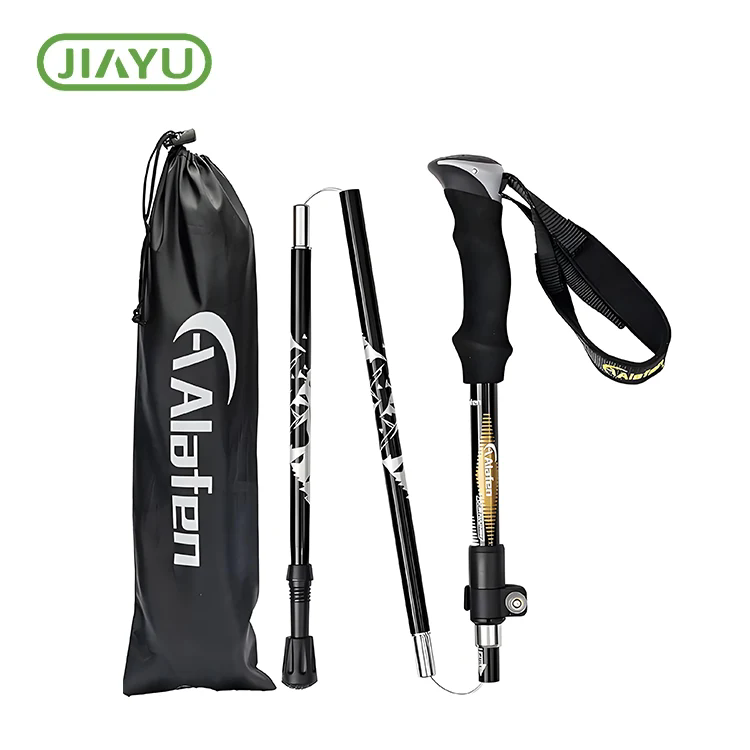
Table of Contents
- 1. Introduction to Walking Poles
- 2. How Walking Poles Work
- 3. Key Benefits of Using a Walking Pole
- 4. Main Components and Materials
- 5. Product Parameters Overview
- 6. How to Choose the Right Walking Pole
- 7. Proper Techniques for Using Walking Poles
- 8. Common Mistakes When Using Walking Poles
- 9. FAQ
- 10. Conclusion
1. Introduction to Walking Poles
Outdoor walking, trekking, and mountaineering place considerable stress on the body, particularly on the knees, ankles, and lower back. Walking poles were originally designed for alpine hiking but are now widely used for trekking, trail running, and even fitness walking. Their purpose is simple: to provide additional support, improve balance, and distribute body weight more evenly.
Modern walking poles combine lightweight materials, ergonomic handles, adjustable lengths, and shock-absorbing technology. These improvements make them suitable for beginners and experienced hikers alike. Outdoor equipment manufacturers such as JIAYU have focused on developing durable, lightweight poles designed for different terrains and activity levels.
2. How Walking Poles Work
Walking poles function by creating additional points of contact with the ground. Instead of relying solely on the legs for balance and propulsion, the upper body becomes actively involved in movement.
When used correctly, walking poles help distribute weight across four contact points rather than two. This distribution reduces pressure on joints and increases stability on uneven surfaces such as rocks, mud, snow, or steep slopes.
The mechanical advantages include:
- Improved balance on unstable terrain
- Reduced joint pressure during downhill movement
- Enhanced propulsion when walking uphill
- Improved posture and walking rhythm
These factors allow hikers to travel longer distances while maintaining better control over body movement.
3. Key Benefits of Using a Walking Pole
Many hikers underestimate the physical benefits that walking poles provide. In reality, they significantly improve safety and efficiency during outdoor activities.
- Reduced Knee Stress – Downhill hiking places high pressure on knees. Walking poles absorb part of this load.
- Better Balance – Additional support points help prevent slips and falls.
- Improved Endurance – Upper body engagement distributes physical effort.
- Enhanced Stability – Useful when crossing rivers, mud, snow, or loose gravel.
- Posture Support – Encourages upright posture and natural walking rhythm.
For long-distance trekking or mountainous terrain, walking poles can significantly reduce fatigue and injury risk.
4. Main Components and Materials
A well-designed walking pole consists of several important components. Each part contributes to performance, comfort, and durability.
- Handle Grip – Typically made of EVA foam, cork, or rubber for comfort and sweat absorption.
- Adjustable Shaft – Allows users to modify pole length depending on terrain.
- Locking Mechanism – Secures the pole at the desired length.
- Wrist Strap – Provides additional support and reduces grip fatigue.
- Carbide Tip – Offers traction on hard surfaces.
- Basket Attachment – Prevents the pole from sinking into snow or mud.
The shaft material typically determines weight and durability. Aluminum alloy and carbon fiber are the most common materials used in high-quality walking poles.
5. Product Parameters Overview
| Parameter | Description |
|---|---|
| Material | Aluminum Alloy / Carbon Fiber |
| Adjustable Length | Approx. 65 cm – 135 cm |
| Weight | Approx. 220g – 300g per pole |
| Grip Material | EVA Foam / Cork |
| Tip Material | Tungsten Carbide |
| Locking System | Quick Lock / Twist Lock |
| Application | Hiking, Trekking, Mountaineering, Outdoor Walking |
6. How to Choose the Right Walking Pole
Selecting the right walking pole depends on several practical factors. Not all poles perform equally across different environments.
Important considerations include:
- Adjustability – Adjustable poles allow adaptation for uphill and downhill terrain.
- Weight – Lightweight poles reduce arm fatigue during long hikes.
- Grip Comfort – Ergonomic grips improve long-term usability.
- Durability – Strong materials withstand rough terrain.
- Locking Mechanism – Reliable locks ensure stability during use.
Outdoor brands such as JIAYU design walking poles specifically for demanding environments, ensuring a balance between durability, weight, and comfort.
7. Proper Techniques for Using Walking Poles
Using walking poles effectively requires proper technique. Incorrect use can reduce their benefits and cause unnecessary fatigue.
Basic guidelines include:
- Adjust pole height so elbows bend at roughly 90 degrees
- Plant the pole slightly ahead of the opposite foot
- Maintain a natural walking rhythm
- Shorten poles for uphill hiking
- Lengthen poles for downhill descents
Following these simple techniques ensures maximum efficiency and reduces strain on joints and muscles.
8. Common Mistakes When Using Walking Poles
Some hikers experience limited benefits because they use walking poles incorrectly. Avoiding common mistakes can greatly improve performance.
- Using poles that are too long or too short
- Gripping handles too tightly
- Failing to adjust pole length for terrain
- Ignoring wrist straps
- Using inappropriate tips for the surface
Correct usage significantly enhances stability and endurance during extended outdoor travel.
9. FAQ
Q1: Are walking poles suitable for beginners?
Yes. Walking poles are particularly helpful for beginners because they provide additional balance and reduce joint stress while learning to navigate uneven terrain.
Q2: What is the ideal length for a walking pole?
The ideal length allows the elbow to form approximately a 90-degree angle when the pole touches the ground. Adjustable poles make it easy to find the correct length.
Q3: Are carbon fiber poles better than aluminum poles?
Carbon fiber poles are lighter and absorb vibration well, while aluminum poles are typically more impact-resistant and durable. The choice depends on hiking style and terrain conditions.
Q4: Can walking poles help reduce knee pain?
Yes. By distributing weight between arms and legs, walking poles significantly reduce pressure on knee joints, especially during downhill hiking.
10. Conclusion
Walking poles are one of the most practical tools for improving safety, stability, and endurance during outdoor adventures. By distributing body weight, enhancing balance, and reducing joint strain, they allow hikers to travel farther and more comfortably across challenging terrain.
High-quality walking poles manufactured by JIAYU are designed to meet the demands of modern outdoor exploration, combining lightweight construction with durability and ergonomic comfort.
Whether preparing for long-distance trekking, mountain hiking, or regular outdoor walking, choosing the right walking pole can significantly improve performance and reduce fatigue.
If you are looking for reliable and professionally designed walking poles for your outdoor equipment business or personal use, contact us to learn more about available models, specifications, and customization options.