

How Does High Resilience Foam Perform in Terms of Sagging Resistance Over Time
2026-03-25
When evaluating the longevity of upholstered products, sagging resistance remains one of the most critical performance indicators. For manufacturers, furniture designers, and end-users alike, understanding how High Resilience Foam maintains its structural integrity over years of continuous use is essential. Ming Ao Sponge, a specialist in advanced polyurethane solutions, has consistently demonstrated that High Resilience Foam offers superior recovery properties compared to conventional foam types, making it the preferred material for applications demanding lasting support.
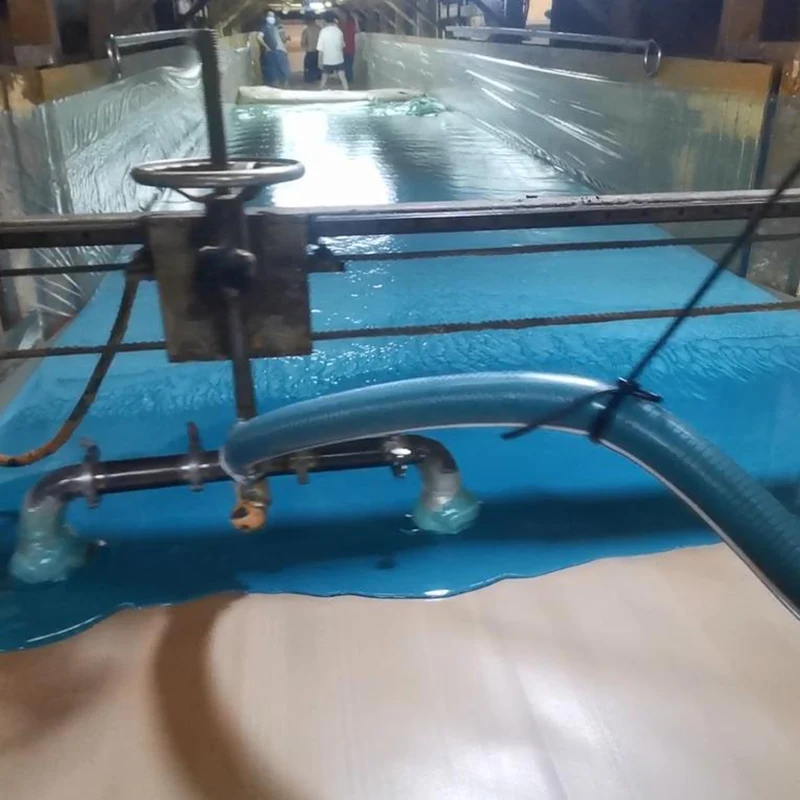
The Science Behind Sagging Resistance
Sagging occurs when a foam’s cell structure collapses permanently under repeated compression. High Resilience Foam is engineered with a unique polymer matrix that promotes rapid recovery and minimizes cell fatigue. Unlike standard foams that rely on lower-density formulations, High Resilience Foam utilizes a higher concentration of polyurethane polymers and advanced cross-linking agents to retain elasticity over extended periods.
The table below outlines the key technical differentiators that influence sagging resistance:
| Property | High Resilience Foam | Conventional Polyurethane Foam |
|---|---|---|
| Compression Set (ASTM D3574) | ≤ 5% after 24 hours | 10–15% after 24 hours |
| Support Factor (ILD Ratio) | 2.8 – 3.5 | 1.8 – 2.4 |
| Resilience (Ball Rebound) | 55% – 70% | 35% – 45% |
| Cell Structure | Open, uniform with high polymer content | Irregular, mixed cell sizes |
| Long-Term Durability Cycles | > 20,000 cycles with < 3% height loss | 8,000–12,000 cycles with > 8% height loss |
Long-Term Performance Factors
Several factors contribute to the superior sagging resistance of High Resilience Foam over time:
-
Compression Set Resistance: Measured under standardized testing (ASTM D3574), High Resilience Foam consistently shows minimal permanent deformation after prolonged compression cycles. This directly translates to cushions and mattresses that retain their original contour and support.
-
Tear Strength and Tensile Properties: The high polymer density in High Resilience Foam provides greater resistance to internal structural breakdown. Even under dynamic loading—such as repeated sitting or sleeping—the material maintains cohesive integrity.
-
Temperature Stability: Unlike memory foam which can soften with heat, High Resilience Foam exhibits stable performance across varying ambient temperatures, ensuring consistent support year-round.
-
Load Distribution: With a higher support factor (the ratio of firmness at 65% compression to 25% compression), High Resilience Foam distributes weight more evenly, reducing localized pressure points that lead to premature sagging.
High Resilience Foam FAQ: Common Questions Answered
What causes foam to sag over time and how does High Resilience Foam resist it?
Sagging is primarily caused by cell wall rupture within the foam structure due to repeated compression cycles. In lower-quality foams, the polymer network gradually breaks down, resulting in permanent height loss. High Resilience Foam is formulated with a higher proportion of polyurethane polymers and specialized cross-linking agents that create a more resilient cellular matrix. This design allows the foam to return to its original shape after each compression cycle with minimal structural fatigue. Additionally, rigorous testing such as cyclic fatigue tests (up to 20,000–50,000 repetitions) demonstrates that High Resilience Foam retains over 95% of its original thickness, significantly outperforming conventional foams which may lose 10–20% under similar conditions.
What density and ILD specifications should I look for in High Resilience Foam to ensure maximum sagging resistance?
For applications where long-term sagging resistance is critical, High Resilience Foam with a density of 2.5 lb/ft³ or higher is recommended, combined with an Indentation Load Deflection (ILD) rating appropriate for the intended use. For seating applications, an ILD between 35 and 45 provides optimal balance between immediate comfort and long-term support. Higher density directly correlates with greater polymer content, which enhances cell wall strength and reduces compression set. It is important to note that density and ILD work together: a low-density High Resilience Foam, even with a high ILD, will still be prone to accelerated sagging because the cellular structure lacks sufficient material mass to withstand prolonged mechanical stress. Ming Ao Sponge offers a range of High Resilience Foam formulations specifically engineered to meet these density and ILD benchmarks for superior durability.
How can I verify whether a foam product will maintain its shape after years of use without visible sagging?
Verification of long-term sagging resistance requires reviewing standardized test data from reputable manufacturers. Key metrics to request include compression set values (ASTM D3574 Test B1 or B2), which indicate permanent deformation after controlled compression; cyclic fatigue test results that simulate years of use; and support factor measurements that reflect the foam’s ability to resist bottoming out. Products utilizing High Resilience Foam should also provide clear documentation of density specifications, as density remains one of the most reliable predictors of long-term performance. Manufacturers adhering to CertiPUR-US or similar certification programs often publish these performance metrics. Ming Ao Sponge provides full transparency with technical datasheets for all High Resilience Foam products, allowing clients to make data-driven decisions based on empirical performance rather than subjective claims.
Why Sagging Resistance Matters Across Applications
From hospitality seating to automotive interiors and high-end residential furniture, sagging resistance directly impacts product lifespan, warranty claims, and user satisfaction. High Resilience Foam has become the industry benchmark for applications where replacement costs and customer perception of quality are paramount. By selecting High Resilience Foam, manufacturers reduce the risk of premature product failure while delivering a consistent user experience that aligns with premium positioning.
Contact Us
For detailed technical specifications, custom formulation options, or to request sample testing of High Resilience Foam tailored to your application requirements, contact Ming Ao Sponge today. Our engineering team provides comprehensive support from material selection through production integration to ensure your products deliver lasting performance and exceptional comfort.