

How Much Does a Good Aluminum Hull RIB Boat Cost for Offshore Fishing
2026-08-06
When serious anglers start pricing a Rib Boat Aluminum Hull for blue-water trips, the numbers can range from surprisingly affordable to eye-wateringly expensive. Unlike recreational lake boats, an offshore fishing Rib Boat Aluminum Hull must withstand constant salt spray, heavy outboard torque, and the punishing impacts of steep waves. The brand Seastar has built a reputation in this segment for producing welded-aluminum RIBs that balance durability with performance, but the final price depends on far more than just the hull material.
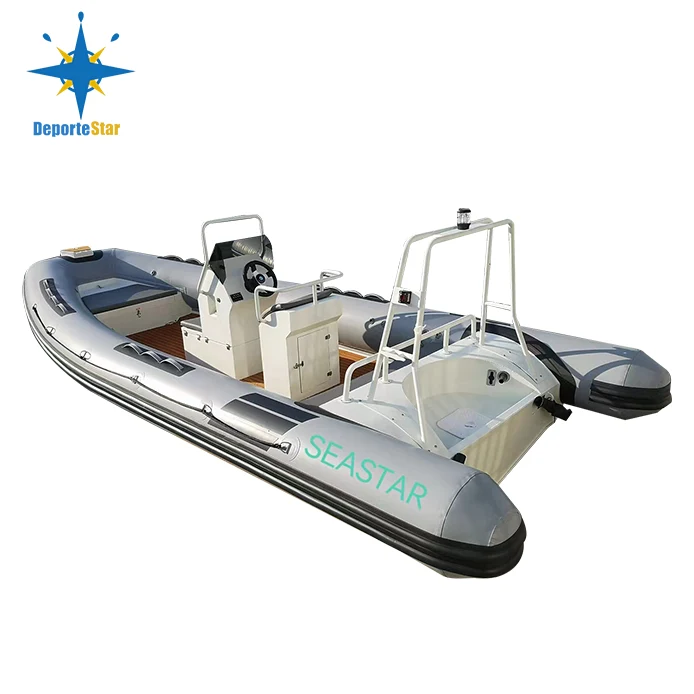
The Base Price Spectrum for Offshore RIBs
| Hull Length | Typical Price Range (USD) | Typical Use Case |
|---|---|---|
| 14–16 ft | $12,000 – $22,000 | Nearshore / bay fishing |
| 17–19 ft | $22,000 – $38,000 | Mixed inshore/offshore |
| 20–23 ft | $38,000 – $60,000 | Serious offshore trips |
| 24–27 ft | $60,000 – $95,000+ | Extended multi-day fishing |
These figures assume a new, bare-bones Rib Boat Aluminum Hull with a standard console and no electronics. A Seastar 21‑footer with a 150 HP outboard typically lands in the mid‑$40,000 range, while a fully rigged 25‑foot Seastar with twin engines can exceed $85,000.
What Drives the Cost Up?
Offshore fishing places extreme demands on every component. Here is where your budget will expand:
-
Hull thickness and alloy grade – Marine-grade 5083 or 5086 aluminum (5–6 mm bottom, 4–5 mm sides) adds 15–20% to cost but resists pitting and stress cracks far better than thinner commercial alloys.
-
Welding quality – Fully welded, TIG-finished seams with internal stringers cost more than spot-welded or riveted construction. Seastar uses continuous robotic welding for consistent penetration, which reduces long-term maintenance.
-
Tube material and diameter – Hypalon (CSM) tubes are heavier but outlast PVC in UV-rich offshore environments. Larger tube diameters (52–56 cm) improve buoyancy and self-draining decks but raise material costs by $3,000–$5,000.
-
Outboard power – A single 200–250 HP four-stroke adds $18,000–$25,000. Twin installations double that and require a reinforced transom bracket.
-
Electronics and rigging – GPS/chartplotter, fishfinder, VHF, radar, and electric reels can easily add $8,000–$15,000 to a Rib Boat Aluminum Hull.
-
Trailer – A galvanized or aluminum tandem-axle trailer suited for saltwater launches costs $4,000–$9,000 extra.
New vs. Used – The Real Value Equation
Many offshore fishermen start with a used Rib Boat Aluminum Hull to save 30–50% off new pricing. A 5‑year-old Seastar 22‑footer in good condition often sells for $28,000–$35,000 versus $48,000 new. However, used aluminum RIBs require careful inspection:
-
Check bottom plate for electrolysis pitting near the transom.
-
Test all tube seams with soapy water for micro-leaks.
-
Request engine compression and service logs.
If the hull has been properly anodized or coated with epoxy barrier paint, the Rib Boat Aluminum Hull can outlast two or three outboard re-powers, making used purchases a smart entry point.
Operating Costs You Cannot Ignore
| Expense Category | Annual Estimate (USD) |
|---|---|
| Fuel (100 hours @ 15 GPH) | $4,500 – $6,000 |
| Engine servicing (oil, filters, impeller) | $800 – $1,200 |
| Tube cleaning and UV protectant | $200 – $400 |
| Trailer bearing and brake maintenance | $300 – $600 |
| Hull antifouling paint (every 2 years) | $600 – $1,000 |
| Insurance (agreed value) | $800 – $1,500 |
A Rib Boat Aluminum Hull saves money on hull gelcoat repairs (there is none) and does not suffer from osmosis, but aluminum does require sacrificial anodes (zinc/aluminum) replaced every 12–18 months at roughly $150 per set.
How to Budget Realistically
For a capable offshore package (20–22 ft, 200 HP, basic electronics, and a galvanized trailer), plan on $42,000–$52,000 new from a brand like Seastar. If you want radar, autopilot, and a second station, push that to $62,000+. Used packages in the 18–20 ft range can be found for $18,000–$28,000 if you are patient and hire a marine surveyor.
Frequently Asked Questions About Rib Boat Aluminum Hull for Offshore Use
Q: Does a Rib Boat Aluminum Hull corrode faster in warm tropical waters than in cold northern seas?
A: Yes, significantly. Warm, high-salinity water accelerates galvanic corrosion, especially around dissimilar metals like stainless steel bolts or bronze through-hulls. However, a properly bonded Rib Boat Aluminum Hull with regularly inspected sacrificial anodes (zinc in saltwater, aluminum in brackish) will last 15–20 years in tropical conditions. Seastar installs extra anodes on the transom and trim tabs, and recommends fresh-water rinsing after every offshore trip. The critical factor is electrical isolation – any stray current from a faulty bilge pump or battery charger can pit a hull within months. Invest in a galvanic isolator ($250–$400) and test your shore-power ground periodically.
Q: Can I repower a used Rib Boat Aluminum Hull with a heavier four-stroke engine without damaging the transom?
A: Possibly, but you must verify the transom’s maximum horsepower and weight rating first. Most Rib Boat Aluminum Hull transoms are designed for a specific outboard weight range (usually 400–600 lbs for a 20‑footer). Adding a 50‑lb heavier engine changes the center of gravity and can stress the welded knee-brackets. Seastar reinforces their transoms with an aluminum grid plate, allowing up to 15% over the rated weight, but for other brands, you should consult the builder. A professional marine welder can add an aluminum transom doubler plate (cost $800–$1,500) to safely accommodate a heavier motor. Always re-check your boat’s capacity plate and flotation calculations after repowering.
Q: How often should I replace the hypalon tubes on a Rib Boat Aluminum Hull used weekly for offshore fishing?
A: With proper care – weekly washing with mild soap, monthly application of UV protectant, and covered storage – high-quality hypalon tubes last 12–15 years on a Rib Boat Aluminum Hull. Offshore use accelerates wear from sharp fish spines, gaff hooks, and sun exposure. Inspect the tube-to-hull seam every 50 hours; if you see chafing or glue separation, repair it immediately with a two-part hypalon adhesive. Complete tube replacement costs $4,000–$7,000 depending on diameter and number of chambers. Seastar offers a 10‑year prorated warranty on their factory-fitted tubes, but they recommend a professional pressure test every 3 years to catch tiny leaks before they delaminate the fabric.
Final Verdict – Is It Worth the Investment?
A quality Rib Boat Aluminum Hull is not a budget purchase, but for offshore fishermen who value safety, fuel efficiency (planing at lower RPMs), and zero osmosis worries, the ROI is clear. Resale values hold better than fiberglass in the 5‑to‑10‑year window because aluminum hulls do not blister or core-rot. Seastar owners consistently report lower insurance premiums due to the hull’s impact resistance, and many log over 2,000 offshore hours without structural issues.
Ready to Spec Your Own Offshore RIB?
Every fishing ground is different – from the Gulf Stream’s steep swells to the Pacific’s long rollers. Seastar offers a tailored consultation to match your Rib Boat Aluminum Hull with the right deadrise, tube buoyancy, and engine package for your home waters. Whether you need a tiller-steered 16‑footer or a twin-engine 26‑foot battlewagon, their team provides itemized quotes with transparent lead times.
Contact Seastar today via their website or call their marine specialists to book a virtual walkthrough of your future offshore rig. They will send you a full spec sheet, compare three power options, and even connect you with local owners for sea-trial referrals. Your ideal Rib Boat Aluminum Hull is closer than you think – reach out now and turn your blue-water dreams into a welded, seaworthy reality.