

How to Choose a Knee Rollator?
2026-02-10
Article Abstract
A knee rollator is a practical mobility solution for individuals recovering from foot, ankle, or lower leg injuries who need to stay active without placing weight on the affected limb. Choosing the right knee rollator can significantly impact comfort, safety, and recovery efficiency. This article provides a comprehensive, structured guide to understanding knee rollators, identifying common user pain points, comparing key features, and selecting the most suitable model for different usage scenarios. The goal is to help readers make informed decisions based on real-world needs and long-term usability.
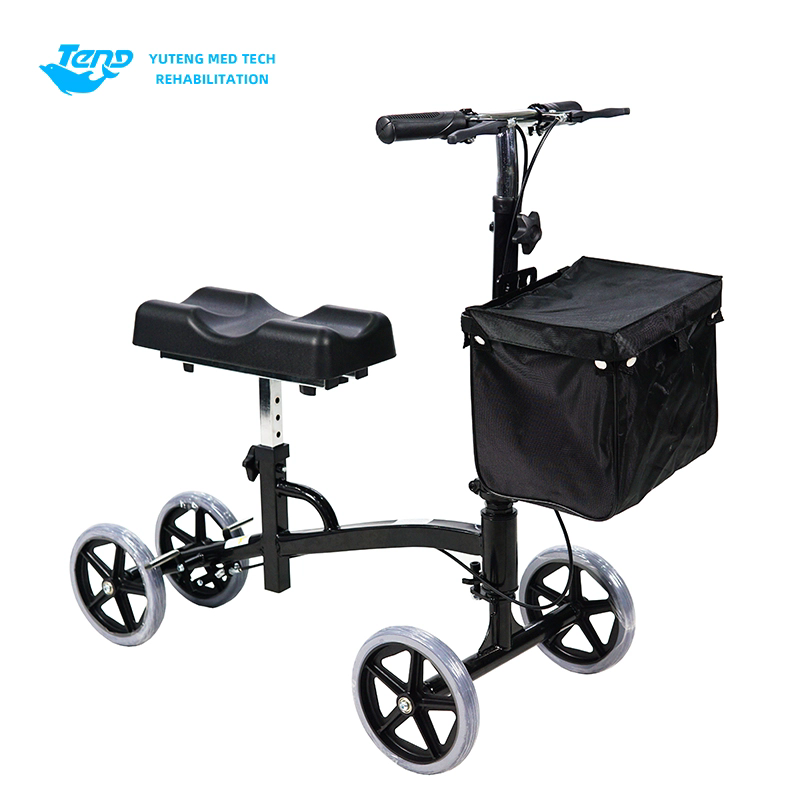
Table of Contents
- Article Outline
- What Is a Knee Rollator?
- Common User Pain Points
- Key Features to Evaluate
- Knee Rollator Feature Comparison
- Typical Usage Scenarios
- Safety and Maintenance Considerations
- Frequently Asked Questions
- Conclusion and Next Steps
Article Outline
- Definition and purpose of a knee rollator
- Problems faced by users with traditional mobility aids
- Core structural and functional components
- Comparison of specifications and design options
- Indoor and outdoor application analysis
- Safety, durability, and long-term use guidance
- Practical answers to common questions
What Is a Knee Rollator?
A knee rollator, also known as a knee walker, is a wheeled mobility device designed for individuals who cannot bear weight on one lower leg. Instead of using crutches or a traditional walker, the user rests the injured leg on a padded platform while propelling the device with the healthy leg.
Compared with crutches, a knee rollator offers improved balance, reduced upper-body strain, and greater freedom of movement. This makes it particularly suitable for post-surgery recovery, fractures, ligament injuries, and chronic foot conditions.
Common User Pain Points
Many users turn to knee rollators after experiencing limitations with other mobility aids. The most frequently reported challenges include:
- Underarm pain and fatigue caused by prolonged crutch use
- Instability and fear of falling when using standard walkers
- Limited mobility speed during daily activities
- Difficulty navigating tight indoor spaces or uneven outdoor surfaces
- Discomfort caused by poorly padded or non-adjustable knee platforms
An effective knee rollator design directly addresses these issues through ergonomic structure, adjustable components, and reliable braking systems.
Key Features to Evaluate
Selecting a knee rollator should be based on more than appearance or price. The following features play a critical role in user experience:
- Frame Material: Lightweight aluminum frames offer durability without excessive weight.
- Knee Pad Design: Thick, contoured padding reduces pressure during extended use.
- Height Adjustability: Adjustable knee and handle heights ensure proper posture.
- Wheel Configuration: Larger wheels provide better stability on outdoor terrain.
- Brake System: Dual hand brakes with locking function enhance safety.
- Foldability: Foldable frames simplify transport and storage.
Knee Rollator Feature Comparison
| Feature | Basic Model | Enhanced Model |
|---|---|---|
| Frame Material | Steel | Aluminum Alloy |
| Weight Capacity | 250 lbs | 300 lbs |
| Knee Pad Adjustability | Limited | Multi-level Adjustable |
| Wheel Size | 6 inches | 8 inches |
| Portability | Non-foldable | Foldable Design |
Typical Usage Scenarios
Knee rollators are designed to adapt to various daily environments. Understanding where and how the device will be used helps narrow down suitable options.
- Home Use: Compact frames and smooth wheels improve maneuverability in hallways and rooms.
- Outdoor Use: Larger wheels and reinforced frames handle sidewalks and uneven ground.
- Workplace Mobility: Stable braking systems support frequent stops and turns.
- Travel and Transport: Foldable models fit easily into car trunks.
Safety and Maintenance Considerations
Proper use and maintenance extend the service life of a knee rollator and reduce accident risks. Users should regularly inspect:
- Brake responsiveness and cable tension
- Wheel alignment and wear
- Frame joints and locking mechanisms
- Knee pad cleanliness and firmness
Routine cleaning and timely replacement of worn parts ensure consistent performance throughout the recovery period.
Frequently Asked Questions
Is a knee rollator suitable for long-term use?
A knee rollator is generally intended for temporary mobility support during recovery. Long-term use should be guided by medical advice.
Can a knee rollator be used on stairs?
No. Knee rollators are not designed for stair use. Users should switch to seated movement or seek assistance when encountering stairs.
How do I choose the correct size?
The correct size depends on user height and knee rest adjustability. The injured leg should rest comfortably at a 90-degree angle without strain.
Conclusion and Next Steps
Choosing the right knee rollator is a critical step toward maintaining independence and comfort during lower limb recovery. By focusing on structural quality, ergonomic design, and real-life usage needs, users can avoid common frustrations and improve daily mobility outcomes.
Yuteng Medical Technology offers professionally engineered knee rollator solutions designed to balance safety, comfort, and durability. To explore detailed product specifications or discuss tailored mobility solutions for your market or patients, please contact us and connect with a dedicated support team ready to assist you.