

How to Choose a Picnic Mat?
2026-02-04
Abstract
A picnic mat is more than a simple ground covering—it directly affects comfort, cleanliness, portability, and the overall outdoor experience. Choosing the wrong picnic mat can lead to damp seating, difficult cleaning, or inconvenient transport. This article explains how to choose a picnic mat by examining materials, structure, size, insulation, maintenance, and use scenarios. The goal is to help buyers avoid common mistakes and select a practical, long-lasting solution for outdoor dining, travel, camping, and family activities.
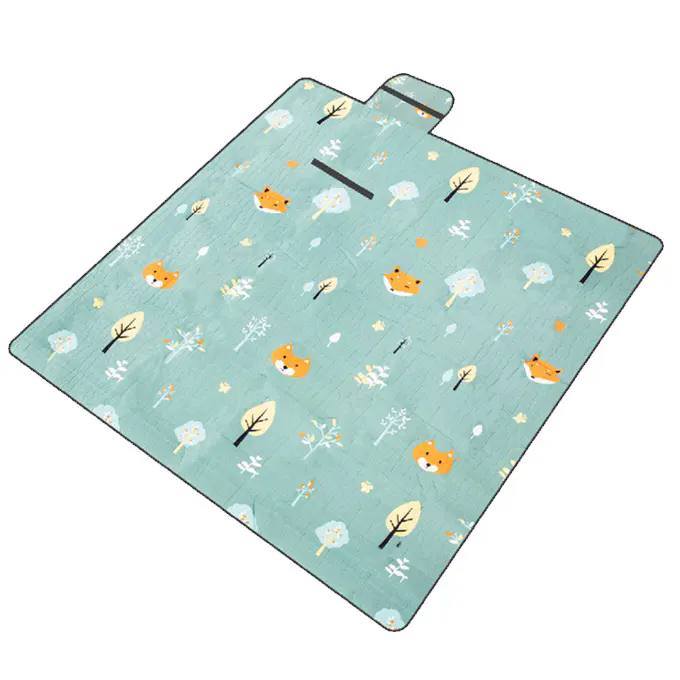
Table of Contents
- Article Outline
- Common Problems When Choosing a Picnic Mat
- What Is a Picnic Mat Used For?
- Key Factors to Consider When Choosing a Picnic Mat
- Picnic Mat Materials Explained
- Picnic Mat Feature Comparison Table
- Best Picnic Mats for Different Scenarios
- Cleaning and Maintenance Tips
- Frequently Asked Questions
- Conclusion and Buying Advice
Article Outline
- Understanding real user pain points
- Defining the function of a picnic mat
- Breaking down critical selection factors
- Comparing materials and structures
- Matching picnic mats to outdoor scenarios
- Answering common buyer questions
Common Problems When Choosing a Picnic Mat
Many users purchase a picnic mat based on appearance or price alone, only to encounter problems during actual use. The most common issues include water seeping through from wet grass, mats that are too thin to provide comfort, bulky designs that are hard to carry, and surfaces that trap sand, dirt, or food stains.
Another frequent concern is durability. Low-quality stitching, weak backing layers, or poor material selection can cause early wear, peeling, or tearing after only a few outings. Understanding these pain points is the first step toward making a better choice.
What Is a Picnic Mat Used For?
A picnic mat is a portable ground covering designed to create a clean, dry, and comfortable surface for sitting, eating, or relaxing outdoors. It is commonly used in parks, beaches, gardens, campsites, festivals, and travel rest areas.
Beyond picnics, many people use picnic mats for family gatherings, children’s play areas, yoga sessions, outdoor events, and even emergency blankets in vehicles. A well-designed picnic mat balances comfort, protection, and portability.
Key Factors to Consider When Choosing a Picnic Mat
- Size: Must match the number of users and activity type
- Thickness: Determines comfort on hard or uneven ground
- Water Resistance: Prevents moisture penetration from grass or sand
- Weight and Foldability: Affects ease of transport
- Surface Texture: Influences cleaning and comfort
- Durability: Impacts long-term usability
Picnic Mat Materials Explained
Material selection defines performance. Most picnic mats use a layered structure consisting of a top fabric, a middle padding layer, and a bottom protective backing.
- Polyester Fabric: Lightweight, quick-drying, and easy to clean
- Oxford Cloth: Durable and resistant to tearing
- Foam Padding: Improves insulation and sitting comfort
- Aluminum or PE Backing: Blocks moisture and cold from the ground
Brands such as Dason focus on combining these materials in a balanced way, ensuring that the picnic mat remains practical for both casual and frequent outdoor use.
Picnic Mat Feature Comparison Table
| Feature | Basic Picnic Mat | Upgraded Picnic Mat |
|---|---|---|
| Water Resistance | Limited | Fully water-resistant backing |
| Comfort Level | Thin surface | Padded middle layer |
| Portability | Fold only | Fold with handle or strap |
| Durability | Short-term use | Designed for repeated outdoor use |
Best Picnic Mats for Different Scenarios
- Beach Trips: Sand-resistant surface and waterproof backing
- Family Picnics: Large size with soft padding
- Camping: Insulated mat for cold ground protection
- Travel and Festivals: Compact, lightweight, and fast-folding design
Choosing based on usage scenario ensures better comfort and longer service life.
Cleaning and Maintenance Tips
Proper care extends the lifespan of a picnic mat. Most modern mats can be wiped clean with a damp cloth. For deeper cleaning, mild soap and air drying are recommended. Avoid machine washing unless the manufacturer explicitly allows it, as repeated spinning can damage the internal layers.
Always store the mat fully dry to prevent odors or material degradation.
Frequently Asked Questions
Q1: Is a thicker picnic mat always better?
Not necessarily. Thickness improves comfort, but excessive padding can reduce portability. The best choice balances comfort and ease of carrying.
Q2: Can a picnic mat be used on wet grass?
Yes, if it includes a waterproof or moisture-resistant backing layer. This feature prevents dampness from reaching the top surface.
Q3: How long does a quality picnic mat last?
With proper use and care, a well-constructed picnic mat can last several years, even with frequent outdoor use.
Conclusion and Buying Advice
Choosing the right picnic mat requires attention to material quality, structure, comfort, and real-world usage needs. A thoughtfully designed picnic mat improves outdoor experiences by providing a clean, dry, and comfortable surface wherever activities take place.
Dason continues to develop picnic mat solutions that emphasize durability, user comfort, and practical design for diverse outdoor environments. For tailored recommendations, product details, or bulk purchasing options, contact us to explore how the right picnic mat can elevate your outdoor lifestyle.