

How to Choose the Best Sport Optical Frames for Performance and Comfort?
2026-03-26
Article Summary
Sport optical frames are essential for athletes and active individuals who require vision correction without compromising performance. Choosing the right pair can significantly enhance comfort, safety, and visual clarity during physical activities. This comprehensive guide explores how sport optical frames work, key features to consider, common user pain points, and practical selection strategies to ensure optimal results in different environments.
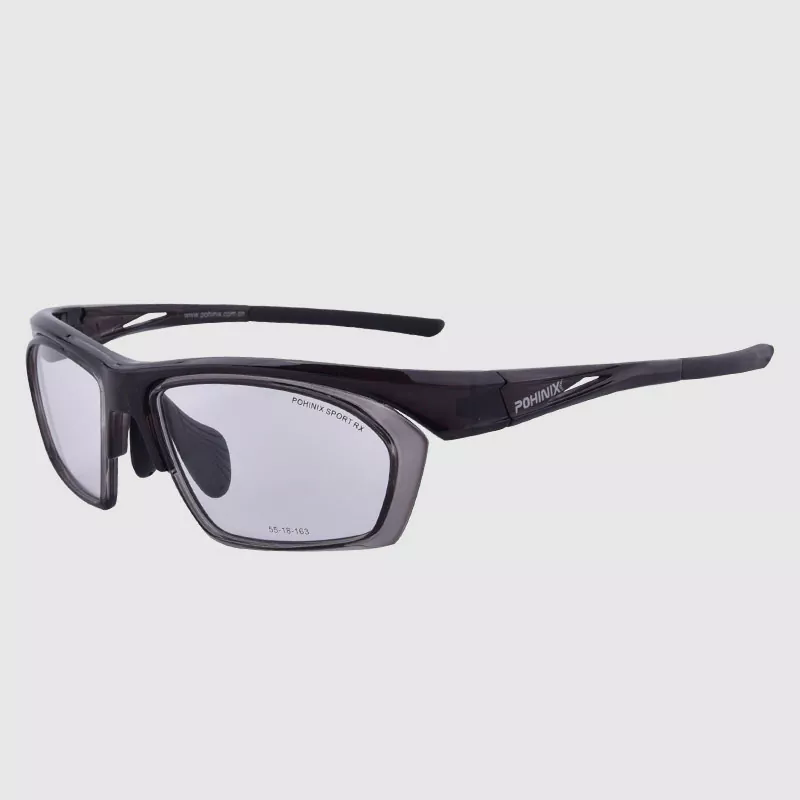
Table of Contents
- 1. Understanding Sport Optical Frames
- 2. Why Choosing the Right Frames Matters
- 3. Common Customer Pain Points
- 4. Key Features to Look For
- 5. Frame Materials Comparison
- 6. How to Select Based on Sport Type
- 7. Maintenance and Care Tips
- 8. Frequently Asked Questions
- 9. Conclusion
1. Understanding Sport Optical Frames
Sport optical frames are specially engineered eyewear designed to support active lifestyles while accommodating prescription lenses. Unlike regular eyeglasses, these frames are built to withstand movement, impact, and environmental factors such as sweat, dust, and UV exposure.
They typically feature ergonomic designs, wrap-around shapes, and lightweight materials to ensure stability and comfort during intense activities. Whether used for cycling, running, basketball, or outdoor training, sport optical frames provide both vision correction and eye protection.
2. Why Choosing the Right Frames Matters
Selecting the wrong frames can lead to discomfort, reduced visibility, and even safety risks. Properly designed sport optical frames enhance performance by ensuring clear vision and secure fit.
- Improved Stability: Prevents slipping during movement
- Enhanced Safety: Protects eyes from debris and impact
- Better Performance: Clear vision improves reaction time
- Long-Term Comfort: Reduces pressure and fatigue
High-quality solutions from POHINIX are developed to meet these requirements, offering reliable performance in demanding conditions.
3. Common Customer Pain Points
Understanding user challenges helps in making informed decisions. Many customers face the following issues:
- Frames slipping due to sweat
- Lens fogging during temperature changes
- Heavy weight causing discomfort
- Poor durability under impact
- Limited compatibility with prescription lenses
Addressing these concerns requires selecting frames with advanced design features and high-quality materials.
4. Key Features to Look For
When evaluating sport optical frames, focus on the following critical features:
- Lightweight Construction: Reduces strain during extended use
- Anti-Slip Design: Rubber nose pads and temple grips
- Ventilation System: Minimizes fogging
- Impact Resistance: Enhances safety during sports
- Wraparound Fit: Provides wider field of vision
- Lens Compatibility: Supports prescription inserts or direct glazing
5. Frame Materials Comparison
| Material | Advantages | Best Use Case |
| TR90 | Flexible, lightweight, durable | Running, cycling |
| Polycarbonate | Impact-resistant, strong | Contact sports |
| Nylon | High resilience, temperature resistant | Outdoor sports |
| Metal Alloy | Stylish, sturdy | Light sports |
TR90 and nylon are particularly popular due to their balance of flexibility and strength, making them ideal for high-performance environments.
6. How to Select Based on Sport Type
Different sports require different frame characteristics. Choosing based on activity ensures optimal performance.
- Cycling: Lightweight, aerodynamic, wraparound design
- Running: Secure fit with anti-slip features
- Basketball: High impact resistance and stability
- Outdoor Hiking: UV protection and durability
For multi-sport users, versatile frames with interchangeable lenses or adaptable features offer greater flexibility.
7. Maintenance and Care Tips
Proper maintenance extends the lifespan of sport optical frames and ensures consistent performance.
- Clean lenses with microfiber cloth regularly
- Avoid placing frames face down on surfaces
- Store in protective cases when not in use
- Inspect for loose components periodically
Regular care prevents scratches, maintains clarity, and preserves structural integrity.
8. Frequently Asked Questions
Q1: Can sport optical frames support high prescription lenses?
Yes, many modern frames are designed to accommodate a wide range of prescriptions through direct glazing or insert systems.
Q2: How do I prevent lens fogging?
Choose frames with ventilation features and consider anti-fog coatings for enhanced performance.
Q3: Are sport optical frames suitable for daily use?
While designed for sports, many models are versatile enough for everyday activities due to their comfort and durability.
Q4: How long do sport optical frames last?
With proper care, high-quality frames can last several years depending on usage intensity and environmental conditions.
9. Conclusion
Choosing the right sport optical frames is essential for achieving the perfect balance between vision clarity, comfort, and durability. By understanding key features, materials, and application scenarios, users can make informed decisions that enhance both safety and performance.
POHINIX continues to innovate in the field of sport eyewear, delivering reliable and high-performance solutions tailored to diverse athletic needs.
If you are searching for premium sport optical frames that combine advanced design with superior comfort, contact us today to explore customized solutions and elevate your sporting experience.