

How to Choose the Right Camping Sleeping Bag for Your Outdoor Adventures?
2025-12-15
Camping sleeping bags are indispensable gear for anyone venturing into the outdoors, whether for hiking, backpacking, or family camping trips. Selecting the right sleeping bag can make the difference between a restful night under the stars and a cold, uncomfortable experience.
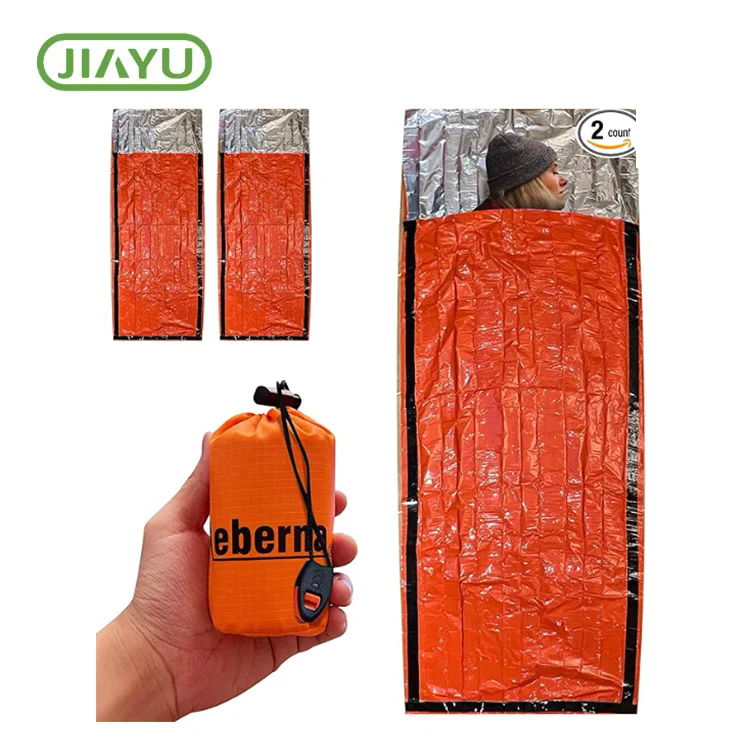
Product Overview and Key Specifications
Camping sleeping bags are designed to provide thermal insulation, moisture resistance, and comfort across various weather conditions. Modern designs combine lightweight materials with advanced thermal efficiency, making them suitable for extended trips in diverse climates. The following table presents the essential specifications of high-performance camping sleeping bags:
| Feature | Description |
|---|---|
| Temperature Rating | Ranges from -10°C to 20°C, suitable for different seasons |
| Shape | Mummy, rectangular, semi-rectangular; mummy offers better heat retention |
| Filling Material | Synthetic fibers or down; synthetic dries faster, down is lighter & warmer |
| Shell Material | Water-resistant polyester or nylon, often with ripstop reinforcement |
| Weight | From 0.9 kg to 2.5 kg depending on insulation type |
| Pack Size | Compact designs can compress to 30 x 20 cm for easy transport |
| Zipper Type | Full-length or two-way zippers with anti-snag features |
| Additional Features | Draft collars, hood adjustments, interior pockets, and compression sacks |
These specifications highlight the critical factors to consider when selecting a camping sleeping bag. Each feature directly impacts warmth, portability, and overall comfort during outdoor activities.
How to Select a Camping Sleeping Bag Based on Temperature and Weather Conditions?
Temperature ratings are the most crucial factor when selecting a sleeping bag. Choosing a bag rated for temperatures lower than the expected environment ensures warmth and prevents hypothermia. For example, a bag rated at -5°C is optimal for late autumn or early winter camping, while a 10–15°C rating suffices for summer excursions.
Key Considerations:
-
Seasonal Conditions: Winter campers need down-filled sleeping bags due to superior insulation, while synthetic fibers are ideal for spring or summer trips where moisture resistance is crucial.
-
Layering Options: Sleeping bags designed for extreme cold often accommodate liners, providing flexibility to adjust insulation based on temperature changes.
-
Moisture Management: Water-resistant shell fabrics protect against damp conditions, while synthetic fillings maintain warmth even when slightly wet.
Common Question 1: How do temperature ratings affect my camping experience?
Answer: Temperature ratings indicate the lowest temperature at which the sleeping bag maintains warmth. Using a bag rated too high for cold weather can lead to discomfort or health risks. Conversely, using an overly insulated bag in mild weather may cause overheating and sweating. Always consider the lowest nighttime temperatures and factor in personal tolerance to cold.
Common Question 2: Can I use the same sleeping bag for all seasons?
Answer: While some all-season sleeping bags exist, most are optimized for specific conditions. Summer bags are lightweight and breathable, whereas winter bags prioritize insulation. For versatile use, consider a bag with modular layers or a compression liner to adapt to varying climates.
How to Optimize Sleeping Bag Comfort and Durability During Outdoor Adventures?
Comfort and durability are essential for maximizing the usability of a camping sleeping bag. A well-chosen bag not only ensures restful sleep but also withstands the rigors of outdoor use.
Comfort Features:
-
Ergonomic Shape: Mummy-shaped sleeping bags hug the body to retain heat efficiently, whereas rectangular bags allow more movement.
-
Hood and Draft Collars: Adjustable hoods and internal draft collars prevent heat loss around the neck and head.
-
Breathable Fabrics: Lightweight, breathable materials reduce moisture buildup and skin irritation.
Durability Features:
-
Reinforced Stitching: Critical stress points, such as zippers and seams, often come with double stitching to resist wear and tear.
-
Ripstop Shells: Polyester or nylon ripstop fabrics minimize punctures and abrasions from rough terrain.
-
Zipper Guards: Anti-snag zippers prevent accidental damage and ensure smooth operation over repeated use.
Proper maintenance extends the life of your sleeping bag. Always store it loosely in a dry, ventilated area rather than compressed in a sack, and wash according to manufacturer instructions to preserve insulation.
How to Pack and Carry a Camping Sleeping Bag Efficiently?
The portability of a sleeping bag significantly influences travel convenience, particularly for hikers and backpackers. Choosing the right packing and carrying strategies ensures minimal bulk and weight while maintaining insulation efficiency.
Packing Strategies:
-
Compression Sacks: High-quality compression sacks reduce volume without damaging the insulation fibers.
-
Rolling vs. Stuffing: Stuffing the sleeping bag into a compression sack preserves loft better than rolling, maintaining thermal performance.
-
Layered Packing: Store the bag alongside other soft gear to protect its shape and prevent sharp objects from causing tears.
Carrying Considerations:
-
Weight Distribution: Place the sleeping bag at the bottom or side of the backpack to stabilize weight distribution.
-
External Straps: Lightweight bags can be attached externally if space is limited inside the backpack.
-
Moisture Protection: Use waterproof sacks or dry bags to shield the sleeping bag from rain or snow during transport.
Efficient packing and careful handling prevent damage and maintain the bag’s warmth, ensuring a comfortable outdoor experience every time.
How to Choose a Camping Sleeping Bag That Combines Performance, Convenience, and Brand Reliability?
Brand reputation often reflects product quality and support. Choosing a reliable brand ensures access to well-engineered designs, long-lasting materials, and customer support. JIAYU camping sleeping bags are recognized for integrating advanced insulation technologies, ergonomic designs, and lightweight portability.
Final Recommendations:
-
Evaluate temperature rating and insulation type according to planned outdoor activities.
-
Prioritize comfort features such as hood adjustments, draft collars, and breathable fabrics.
-
Ensure durability with reinforced seams, ripstop shells, and high-quality zippers.
-
Optimize portability with compression sacks and strategic packing techniques.
By combining these factors, campers can select a sleeping bag that delivers consistent performance, warmth, and comfort.
For inquiries or to explore the full range of JIAYU camping sleeping bags, contact us directly to receive professional guidance and support for your next outdoor adventure.