

How to Choose the Right Camping Table for Outdoor Comfort and Efficiency?
2026-01-13
Article Abstract
A camping table is more than a simple surface for meals—it directly affects comfort, organization, and overall outdoor efficiency. Choosing the wrong model can lead to instability, insufficient load capacity, poor portability, or premature wear in demanding environments. This article provides a structured, practical guide to understanding camping table types, materials, structural designs, and real-world usage scenarios. By addressing common buyer concerns and decision-making challenges, this guide helps outdoor enthusiasts, wholesalers, and procurement professionals identify a camping table that balances durability, portability, and functionality. The content is designed to support informed purchasing decisions across diverse outdoor applications.
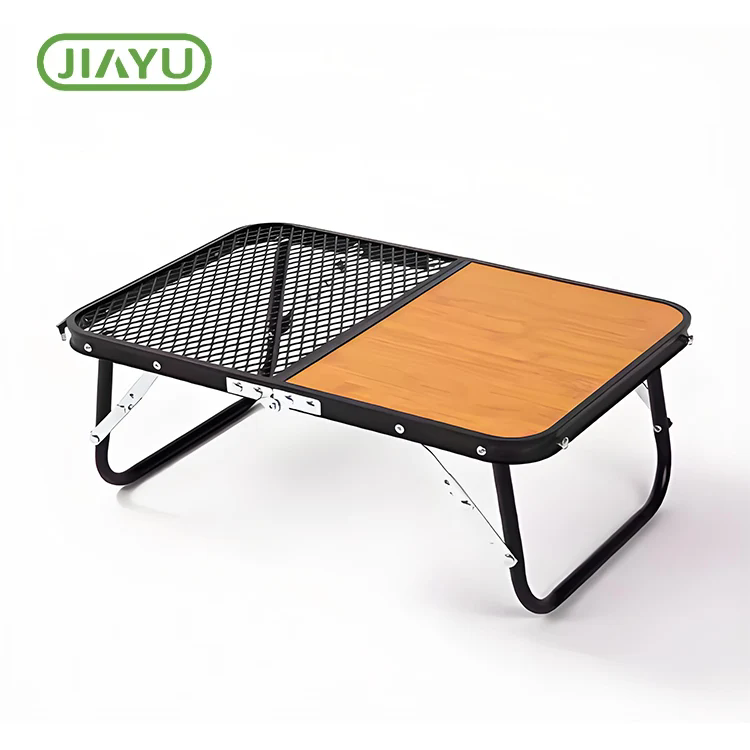
Table of Contents
- Article Outline
- Common Pain Points When Choosing a Camping Table
- Main Types of Camping Tables
- Key Materials and Structural Design
- Important Parameters to Evaluate
- Application Scenarios and Use Cases
- Maintenance and Longevity Tips
- Frequently Asked Questions
Article Outline
- Understanding real customer challenges related to camping tables
- Comparing major camping table categories and structures
- Analyzing materials, stability, and load-bearing capacity
- Evaluating size, weight, and portability trade-offs
- Matching camping tables with specific outdoor scenarios
- Answering common technical and practical questions
Common Pain Points When Choosing a Camping Table
Many buyers focus solely on appearance or price, overlooking critical performance factors. This often leads to dissatisfaction during real outdoor use. The most frequently reported issues include:
- Insufficient stability on uneven ground
- Weak joints or frames that bend under load
- Excessive weight, reducing portability
- Limited surface area for cooking or group dining
- Complex setup mechanisms that waste time outdoors
Addressing these pain points requires a deeper understanding of structural design and material selection rather than surface-level comparisons.
Main Types of Camping Tables
Camping tables are designed to serve different outdoor needs. Selecting the correct type ensures both usability and long-term satisfaction.
- Foldable Camping Tables: Designed for quick deployment and compact storage, suitable for casual camping and family outings.
- Roll-Top Camping Tables: Feature slatted tops that roll into a carry bag, offering a balance between strength and portability.
- Adjustable Height Tables: Allow users to adapt to various seating or standing tasks, ideal for cooking stations.
- Heavy-Duty Camping Tables: Built with reinforced frames for higher load capacity, often used in extended or professional outdoor setups.
Key Materials and Structural Design
Material choice directly influences weight, durability, and resistance to outdoor conditions. A well-designed camping table integrates both appropriate materials and a stable frame structure.
- Aluminum Alloy: Lightweight, corrosion-resistant, and widely used for frames and tabletops.
- Steel: Offers superior strength but increases overall weight.
- Composite or MDF Tops: Provide a flat and cleanable surface but require edge sealing for moisture resistance.
- Reinforced Joint Systems: Improve load distribution and reduce wobbling on uneven terrain.
Important Parameters to Evaluate
| Parameter | Why It Matters |
|---|---|
| Load Capacity | Determines suitability for cooking equipment and group dining |
| Tabletop Size | Affects comfort and functionality during meals or preparation |
| Weight | Impacts portability and transport convenience |
| Folded Dimensions | Important for vehicle storage and backpack compatibility |
| Setup Mechanism | Influences ease of use and time efficiency outdoors |
Application Scenarios and Use Cases
Different outdoor activities demand different camping table characteristics. Matching the table to the scenario prevents overpaying for unnecessary features or underestimating essential requirements.
- Family Camping: Prioritize surface area and stability for shared meals.
- Backpacking: Focus on minimal weight and compact folding design.
- Overlanding and RV Travel: Larger tables with higher load capacity enhance cooking and storage efficiency.
- Outdoor Events and Exhibitions: Durable, professional-grade tables ensure long-term reliability.
Manufacturers such as JIAYU design camping tables with these real-world scenarios in mind, balancing portability with structural integrity to meet diverse outdoor demands.
Maintenance and Longevity Tips
- Clean the tabletop after each use to prevent residue buildup
- Dry all components before storage to avoid corrosion
- Periodically inspect joints and locking mechanisms
- Store in a protective carry bag during transport
Frequently Asked Questions
What load capacity is suitable for a camping table?
For general camping use, a load capacity between 30–50 kg is sufficient. Cooking-focused setups may require higher ratings.
Is aluminum better than steel for camping tables?
Aluminum is preferred for portability and corrosion resistance, while steel offers higher strength at the cost of weight.
How important is height adjustment?
Height adjustment improves versatility, especially for users who alternate between dining and food preparation tasks.
Can camping tables be used on uneven ground?
Tables with adjustable legs or reinforced foot caps perform better on uneven terrain.
Conclusion
Selecting a camping table requires careful evaluation of structure, materials, and real usage conditions. A well-chosen table enhances comfort, organization, and efficiency throughout any outdoor activity. By focusing on functional parameters rather than surface-level features, buyers can achieve long-term value and reliability.
JIAYU continues to develop camping tables that meet practical outdoor demands through thoughtful engineering and consistent quality control. For tailored solutions or detailed product specifications, contact us today to explore options that align with your outdoor or commercial requirements.