

How to Choose the Right Garden Umbrella for Maximum Comfort and Durability?
2026-03-20
Article Summary
A garden umbrella is more than just a shading tool—it directly impacts outdoor comfort, aesthetics, and usability. Choosing the right model involves understanding materials, size, structure, and environmental conditions. This guide provides a structured, in-depth analysis of how to select the most suitable garden umbrella based on real-world usage scenarios, helping buyers avoid common pitfalls such as poor stability, insufficient UV protection, and short lifespan.
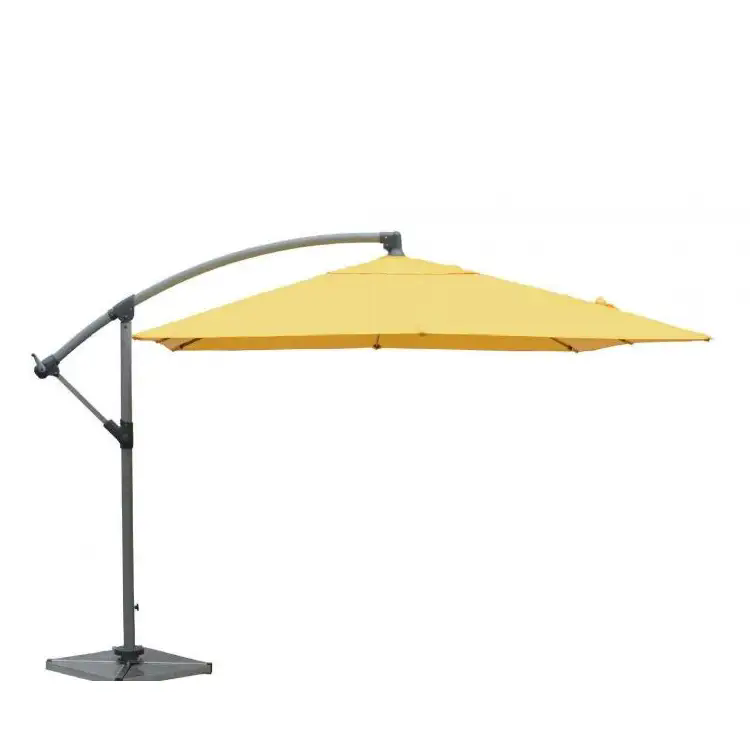
Table of Contents
- 1. Why Choosing the Right Garden Umbrella Matters
- 2. Key Types of Garden Umbrellas
- 3. Core Selection Criteria
- 4. Product Parameter Comparison
- 5. Common Buying Mistakes to Avoid
- 6. Maintenance and Longevity Tips
- 7. Frequently Asked Questions
- 8. Conclusion
1. Why Choosing the Right Garden Umbrella Matters
Outdoor spaces are increasingly used for relaxation, dining, and social interaction. However, exposure to strong sunlight, UV radiation, and unexpected weather conditions can significantly reduce usability. A well-selected garden umbrella provides:
- Effective UV protection for health and comfort
- Temperature reduction in outdoor seating areas
- Enhanced visual appeal for gardens, patios, and terraces
- Functional flexibility for residential and commercial use
Poor-quality umbrellas often fail in windy conditions, fade quickly, or provide insufficient shade coverage. Therefore, selecting the right product is a strategic investment rather than a simple purchase.
2. Key Types of Garden Umbrellas
Understanding umbrella structures is the first step in narrowing down options.
- Center Pole Umbrella: Traditional design, suitable for small tables and compact spaces.
- Cantilever (Offset) Umbrella: Side-mounted pole provides unobstructed shade area, ideal for lounge setups.
- Wall-Mounted Umbrella: Space-saving solution for balconies or narrow patios.
- Tilt Umbrella: Adjustable canopy angle for tracking sun movement throughout the day.
Each type serves a different functional requirement. For example, cantilever umbrellas are widely used in premium outdoor environments due to their flexibility and modern appearance.
3. Core Selection Criteria
1. Size and Coverage
- Small (2–2.5m): Suitable for balconies or bistro sets
- Medium (2.5–3m): Ideal for standard patio dining tables
- Large (3m+): Designed for commercial or large seating areas
2. Canopy Material
- Polyester: Cost-effective, moderate durability
- Acrylic: Superior UV resistance and color retention
- Olefin: High performance, resistant to moisture and fading
3. Frame Material
- Aluminum: Lightweight, rust-resistant, modern appearance
- Wood: Natural aesthetic, requires maintenance
- Steel: Strong but heavier and prone to corrosion if untreated
4. UV Protection Level
Look for fabrics with UPF (Ultraviolet Protection Factor) ratings. A UPF of 50+ blocks over 98% of harmful UV rays.
5. Wind Resistance
Features such as vented canopies and reinforced ribs improve stability. For windy environments, heavier bases or ground fixing systems are essential.
6. Ease of Operation
- Crank lift systems for smooth opening
- Push-button tilt mechanisms
- 360-degree rotation (for cantilever models)
4. Product Parameter Comparison
| Parameter | Standard Model | Premium Model | Commercial Model |
|---|---|---|---|
| Size | 2.5m | 3m | 3.5m+ |
| Fabric | Polyester | Acrylic | Olefin |
| Frame | Steel | Aluminum | Reinforced Aluminum |
| UV Protection | UPF 30+ | UPF 50+ | UPF 50+ |
| Wind Resistance | Moderate | High | Very High |
This comparison helps buyers align product specifications with their actual usage needs, avoiding over- or under-investment.
5. Common Buying Mistakes to Avoid
- Ignoring base weight: A lightweight base leads to instability.
- Choosing incorrect size: Too small fails to provide adequate shade; too large may overwhelm the space.
- Overlooking fabric quality: Cheap materials fade and tear quickly.
- No wind consideration: Essential for open gardens or coastal areas.
- Focusing only on price: Lower upfront cost often results in higher replacement expenses.
6. Maintenance and Longevity Tips
- Close the umbrella during strong winds or storms
- Use protective covers when not in use
- Clean fabric regularly with mild soap and water
- Store indoors during extreme weather seasons
- Inspect frame joints and mechanisms periodically
Proper maintenance can extend the lifespan of a high-quality garden umbrella by several years, ensuring consistent performance.
7. Frequently Asked Questions
Q1: What size garden umbrella is best for a 6-person table?
A 2.7m to 3m umbrella is typically sufficient to provide full coverage for a standard 6-person dining setup.
Q2: Which material offers the best UV protection?
Acrylic and olefin fabrics with UPF 50+ ratings provide the highest level of UV protection and long-term durability.
Q3: Are cantilever umbrellas better than center pole models?
Cantilever umbrellas offer greater flexibility and unobstructed space, making them ideal for larger or more modern outdoor layouts. However, they are generally more expensive.
Q4: How heavy should the base be?
For standard umbrellas, a base of at least 20–30kg is recommended. Larger cantilever models may require 80kg or more.
8. Conclusion
Selecting the right garden umbrella requires a balanced evaluation of size, material, durability, and environmental factors. A well-informed decision ensures not only enhanced outdoor comfort but also long-term value.
VESTA specializes in high-quality outdoor leisure products designed for durability, functionality, and modern aesthetics. Whether for residential patios or commercial spaces, the right solution can transform any outdoor area into a comfortable and visually appealing environment.
If you are looking to upgrade your outdoor space with reliable and stylish solutions, contact us today to explore how VESTA can meet your specific project requirements.