

How to Choose the Right Picnic Mat for Comfort and Durability?
2026-03-18
Abstract: Selecting a high-quality picnic mat is essential for outdoor comfort, hygiene, and convenience. This article provides a structured and detailed guide to help buyers identify the most suitable picnic mat based on material, size, waterproofing, portability, and durability. It addresses common user pain points such as moisture resistance, cleaning difficulty, and portability challenges while offering practical solutions.
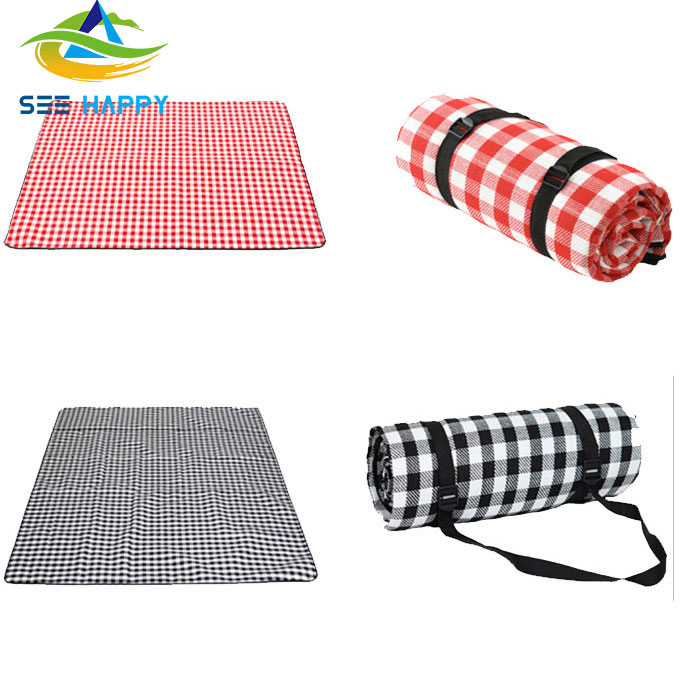
Table of Contents
- Article Outline
- Why Choosing the Right Picnic Mat Matters
- Key Factors to Consider When Choosing a Picnic Mat
- Material Comparison and Performance
- Essential Features That Improve User Experience
- Common Mistakes to Avoid
- Frequently Asked Questions
- Conclusion
Article Outline
- Introduction to picnic mats and their practical role
- Key purchasing considerations
- Material and structural comparison
- Advanced functional features
- Common buying mistakes
- FAQ section addressing real concerns
Why Choosing the Right Picnic Mat Matters
A picnic mat is more than just a ground cover—it is a barrier between you and moisture, dirt, and uneven terrain. Whether used for camping, beach outings, parks, or backyard relaxation, a poorly selected mat can lead to discomfort, wet clothing, and hygiene issues.
Many users encounter problems such as:
- Water seeping through from damp grass
- Insufficient cushioning on hard surfaces
- Bulky designs that are difficult to carry
- Materials that are hard to clean
Choosing a well-designed product from a reliable supplier like Dason ensures long-term usability and a better outdoor experience.
Key Factors to Consider When Choosing a Picnic Mat
Understanding product specifications is critical when evaluating options. The following factors should be carefully assessed:
- Size: Should accommodate the intended number of users
- Weight: Lightweight designs are ideal for portability
- Thickness: Determines comfort level on rough surfaces
- Waterproof Performance: Essential for wet environments
- Portability: Foldable or roll-up designs with handles are preferred
- Durability: Resistance to wear and tear over time
Material Comparison and Performance
Material selection directly impacts performance, maintenance, and longevity. Below is a comparative overview:
| Material Type | Advantages | Disadvantages | Best Use Scenario |
| Oxford Fabric | Durable, water-resistant, easy to clean | Slightly heavier | Camping, outdoor travel |
| Fleece | Soft and comfortable | Not waterproof | Dry park environments |
| PEVA / PVC | Excellent waterproofing | Less breathable | Beach, damp grass |
| Aluminum Film | Thermal insulation, moisture barrier | Less flexible | Cold or wet surfaces |
High-performance picnic mats often combine multiple layers, such as a soft top layer, a foam middle layer, and a waterproof bottom layer.
Essential Features That Improve User Experience
Modern picnic mats are designed with user-centric features to enhance functionality:
- Waterproof Backing: Prevents moisture penetration
- Foldable Design: Enables compact storage
- Carry Handles or Straps: Improves portability
- Anti-slip Bottom: Enhances stability on slopes
- Machine Washable Surface: Simplifies maintenance
Manufacturers like Dason integrate these features into their designs to meet diverse outdoor needs while maintaining cost efficiency.
Common Mistakes to Avoid
Buyers often make avoidable mistakes that reduce product satisfaction:
- Choosing based only on price rather than performance
- Ignoring waterproof capability for outdoor use
- Selecting incorrect size for group activities
- Overlooking ease of cleaning
- Buying overly thin mats for rugged terrain
Careful evaluation of specifications can prevent these issues and ensure better value.
Frequently Asked Questions
Q1: What is the best material for a picnic mat?
A: Oxford fabric combined with a waterproof backing is widely considered the best option due to its durability, water resistance, and ease of cleaning.
Q2: Are picnic mats machine washable?
A: Some mats with fabric surfaces are machine washable, but those with aluminum or PVC layers are typically wipe-clean only. Always check product instructions.
Q3: How thick should a picnic mat be?
A: For optimal comfort, a thickness of 2–5 mm is recommended. Thicker mats provide better cushioning on uneven or hard surfaces.
Q4: Can picnic mats be used on the beach?
A: Yes, mats with waterproof and sand-resistant surfaces are ideal for beach use, especially those with PEVA or PVC backing.
Conclusion
Choosing the right picnic mat requires a balance between comfort, durability, and portability. By focusing on material quality, structural design, and functional features, users can significantly enhance their outdoor experience.
Dason offers a range of thoughtfully engineered picnic mats designed to meet modern outdoor demands. For businesses seeking reliable supply or individuals looking for high-performance products, selecting a trusted manufacturer is essential.
If you are interested in premium picnic mats tailored to your needs, contact us today to explore customized solutions and competitive pricing.