

How to Maintain Ice Sleds for Long Term Use in Frozen Environments?
2026-01-08
In frozen environments across North America and Northern Europe, equipment reliability is judged by how well it survives prolonged exposure to subzero temperatures. Regular inspection is the foundation of long term performance, especially when operating an ice sled in ice fields, frozen lakes, or polar logistics zones. Cold stress can cause micro fractures in frames, reduced elasticity in fasteners, and accelerated wear in runners if inspections are skipped. Our maintenance approach starts with visual checks before and after each operating cycle. Weld seams, runner alignment, and load bearing joints must be reviewed under adequate lighting. In our experience, early detection of surface cracks or abnormal runner wear prevents costly downtime during peak winter operations.
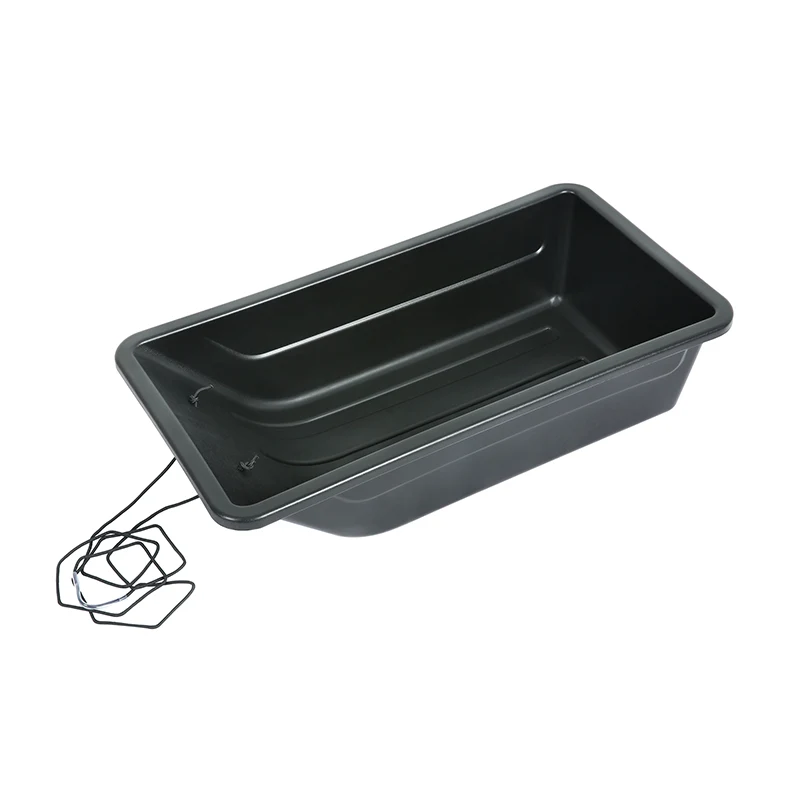
Our factory recommends documenting inspection results to track wear patterns over time, a practice widely adopted by professional expedition teams. Structural stability should always be verified under load. Our engineers emphasize checking bolt torque consistency, as thermal contraction can loosen connections. This is particularly relevant for Ice Sled used in repeated freeze thaw cycles, where material fatigue accumulates faster than expected.
| Inspection Item | Recommended Frequency | Key Risk if Ignored |
| Runner straightness | Every operation | Uneven sliding and loss of control |
| Fastener torque | Weekly | Structural instability |
| Frame welds | Monthly | Sudden frame failure |
How Does Proper Cleaning Prevent Long Term Material Degradation?
Snow, ice slurry, and deicing chemicals are common in frozen regions and can silently damage sled components if not removed correctly. After each deployment, surfaces should be cleaned using low temperature compatible solutions rather than hot water, which may cause thermal shock. Our maintenance teams advise allowing natural thawing in controlled environments before cleaning. Residue buildup beneath runners and mounting points often traps moisture. Over time, this leads to corrosion even on treated steel or aluminum alloys. Our factory protocols highlight the importance of drying all components thoroughly before storage. Air circulation is preferred over direct heat, as uneven warming may distort critical tolerances. When cleaning Ice Sled, attention must be paid to polymer runners and protective coatings. Abrasive tools reduce lifespan and compromise glide efficiency. Our technicians rely on soft brushes and non reactive cleaners, ensuring that surface integrity remains intact for extended seasonal use
.
What Storage Practices Extend Service Life During Off Season Periods?
Off season storage is a decisive factor in equipment longevity. Frozen environment operators often underestimate the impact of improper storage conditions. Our recommendations are based on field data collected by Ningbo Meitai Sports Co.,Ltd. through long term export projects serving Arctic and alpine clients. Equipment should be stored in dry, ventilated facilities where temperature fluctuations are minimized. Elevated racks prevent ground moisture transfer and reduce runner deformation. Our factory advises releasing load stress by positioning frames in neutral alignment rather than resting on runners. Protective coverings should be breathable rather than airtight. Trapped condensation is one of the most common causes of premature corrosion. For Ice Sled stored longer than three months, our teams suggest periodic repositioning to avoid pressure points and material memory effects
.
Why Do Lubrication and Component Care Matter in Subzero Operations?
Standard lubricants often fail in extreme cold, becoming viscous or solid. Selecting cold rated greases is essential for maintaining smooth movement in joints and adjustable assemblies. Our experience shows that improper lubrication is a leading cause of mechanical resistance during startup in frozen zones. All moving interfaces should be serviced according to manufacturer specifications. Our engineers stress that over lubrication can be just as harmful as neglect, attracting ice particles and debris. Our factory testing confirms that controlled application improves performance consistency. For Ice Sled used in long distance hauling, runner contact surfaces require special attention. Polished and conditioned runners reduce friction and energy loss. Our field teams routinely verify runner surface condition before extended missions to ensure predictable handling on hard packed ice
.
| Component | Recommended Care Method | Cold Environment Benefit |
| Joint assemblies | Low temperature grease | Smooth articulation |
| Runner surfaces | Surface conditioning | Reduced drag |
| Fasteners | Anti seize compound | Easier servicing |
How Does Load Management Reduce Wear in Harsh Ice Fields?
Overloading remains a primary cause of premature wear in sled systems. Even when structural ratings appear sufficient, dynamic loads in uneven ice terrain amplify stress. Our load management guidelines are designed to maintain balance and prevent localized strain. Weight distribution should remain centered and symmetrical. Our teams recommend gradual acceleration and deceleration to avoid shock loads. In professional operations, Ice Sled performance is closely linked to disciplined handling rather than maximum capacity usage. Ningbo Meitai Sports Co.,Ltd. emphasizes operator training as part of maintenance strategy. Our factory data indicates that properly trained users reduce maintenance incidents by a significant margin. Our approach integrates equipment design with real world usage patterns observed in frozen logistics environments.
Frequently Asked Questions
Q1: How to Maintain Ice Sleds for Long Term Use in Frozen Environments?
Long term performance depends on consistent inspection, cold rated lubrication, controlled cleaning procedures, and proper storage to prevent moisture related damage and structural fatigue in subzero conditions.
Q2: What Are the Most Critical Maintenance Steps for Ice Sleds in Subzero Temperatures?
The most critical steps include checking runner alignment, verifying fastener torque, removing ice and snow residue after each use, and applying low temperature compatible lubricants to ensure smooth operation and prevent material stress.
Q3: How Should Ice Sleds Be Stored During the Off Season to Avoid Damage?
Ice Sleds should be stored in dry, ventilated facilities with minimal temperature fluctuations, positioned to release frame stress, and covered with breathable materials to prevent moisture accumulation, corrosion, and runner deformation.
Conclusion
In conclusion, maintaining Ice Sled for long term use in frozen environments is a systematic process that combines inspection discipline, material care, and informed operation. Our experience, supported by engineering standards and field feedback, demonstrates that proactive maintenance significantly extends service life and operational reliability. For tailored solutions, technical specifications, or customized support from our factory, contact our team today to discuss your project requirements and receive professional assistance from Ningbo Meitai Sports Co.,Ltd.