

Is it possible to live off grid in a tiny house with solar power and composting toilets
2026-05-28
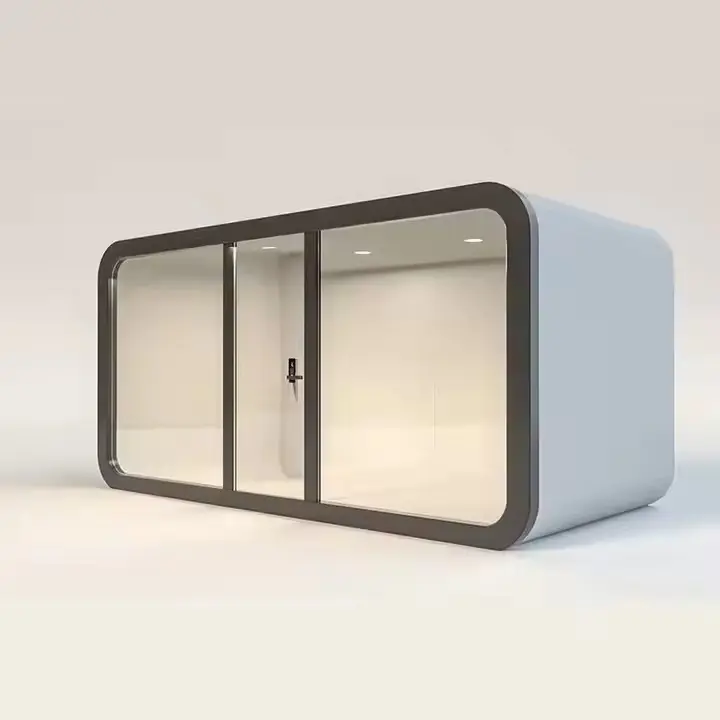
For anyone exploring off grid living, the combination of a Tiny House, solar power, and a composting toilet often emerges as the ultimate self-sufficient solution. With Ante leading the way in sustainable off-grid technology, the short answer is yes—but success depends on thoughtful planning, component sizing, and daily habits. This post breaks down the practical realities, challenges, and rewards of off-grid tiny living.
The Core Systems: Solar Power and Composting Toilets
Two systems form the backbone of an off-grid Tiny House: electricity generation from the sun and human waste management without water. Below is a comparison of their requirements.
| Aspect | Solar Power in a Tiny House | Composting Toilet in a Tiny House |
|---|---|---|
| Daily effort | Monitor battery levels, adjust usage | Add bulking agent (coconut coir, sawdust) after each use |
| Maintenance interval | Clean panels monthly, check connections | Empty solids bin every 3-6 weeks (depends on usage) |
| Space needed | Roof area for panels + battery/inverter compartment | Approx. 2x2 feet, plus vent pipe |
| Initial cost (USD) | 3,000–10,000 (full kit with batteries) | 900–2,000 (self-contained or split unit) |
| Lifespan | Panels 25+ years, batteries 5–10 years | 10–15 years with proper care |
Feasibility Factors
Living off grid in a Tiny House with these systems is realistic if you respect three constraints: energy budget, waste cycling time, and climate. A 1–2 kW solar array with 5 kWh lithium battery storage can run a 12V fridge, LED lights, water pump, laptop, and phone charging – but not an AC unit or electric heater. Ante offers matched solar kits specifically for tiny footprints. Composting toilets work best when used consistently with proper carbon material; the finished compost is safe for ornamental plants after a secondary cure of 6–12 months.
Three Critical Challenges (And How to Overcome Them)
-
Winter solar shortage – Combine panels with a propane backup or a small wind turbine.
-
Composting toilet odor – Ensure the vent fan runs 24/7 and never skip the bulking agent.
-
Regulations – Some counties prohibit composting toilets; always check local health codes before building.
Tiny House FAQ – Common Questions About Off-Grid Living
How many solar panels do I need for an off grid Tiny House?
A typical off grid Tiny House requires 800 to 2,000 watts of solar panel capacity. For a 200 sq ft home with a DC fridge, laptop, LED lights, and a water pump, start with 1,200 watts (about four 300W panels). Pair this with at least 5 kWh of battery storage (e.g., two 12V 200Ah lithium batteries). If you work from home or run a gaming computer, increase to 2,000 watts and 10 kWh. Always perform an energy audit using a plug-in meter for one week before buying panels. Ante provides free audit templates with every consultation.
How often do you empty a composting toilet in a Tiny House
In a full-time Tiny House with two adults, the solids bin of a composting toilet needs emptying every 3 to 6 weeks. Liquids (urine) should be diverted and emptied every 1 to 3 days, depending on tank size. The exact frequency depends on the toilet model (self-contained units fill faster than split systems with a remote solids bin) and how often you add bulking material. Signs that emptying is due: bin becomes heavy (over 30 lbs), liquid pools above solids, or a persistent ammonia smell appears. After emptying, most manufacturers recommend waiting 2–4 weeks before using the compost on non-edible plants.
Can I run air conditioning off grid in a Tiny House with solar
Running air conditioning off grid in a Tiny House is possible but expensive. A small 5,000 BTU window AC consumes 450–550 watts per hour. To run it for 8 hours daily, you need 4,000 watts of solar panels and 15–20 kWh of battery storage – roughly 12,000–18,000 upfront. A much cheaper alternative is passive cooling: orient your Tiny House for shade, install a ridge vent, use 3 inches of closed-cell spray foam insulation, and add a 12V DC ceiling fan. In hot climates, consider a mini-split AC powered by a propane generator during peak heat instead of scaling solar.
Final Verdict
Yes, living off grid in a Tiny House with solar power and a composting toilet is entirely achievable for a motivated individual or couple. The lifestyle demands awareness – checking battery meters, managing waste, adjusting to weather – but rewards you with zero utility bills, water independence, and a low ecological footprint. Ante has supported over 1,200 off-grid builds with tailored solar configurations and waste management plans.
Ready to make your off-grid Tiny House a reality? Contact us today for a personalized feasibility assessment and system quote.