

What Are the Key Differences Between Carbon and Aluminum Badminton Rackets
2026-03-04
Choosing the right equipment can transform your game. When selecting a new piece of gear, players often debate between two primary materials. Understanding the distinction between a Carbon Badminton Racket and an aluminum model is essential for making an informed purchase. At Sparkshot, we believe that knowing these technical details helps players elevate their performance.
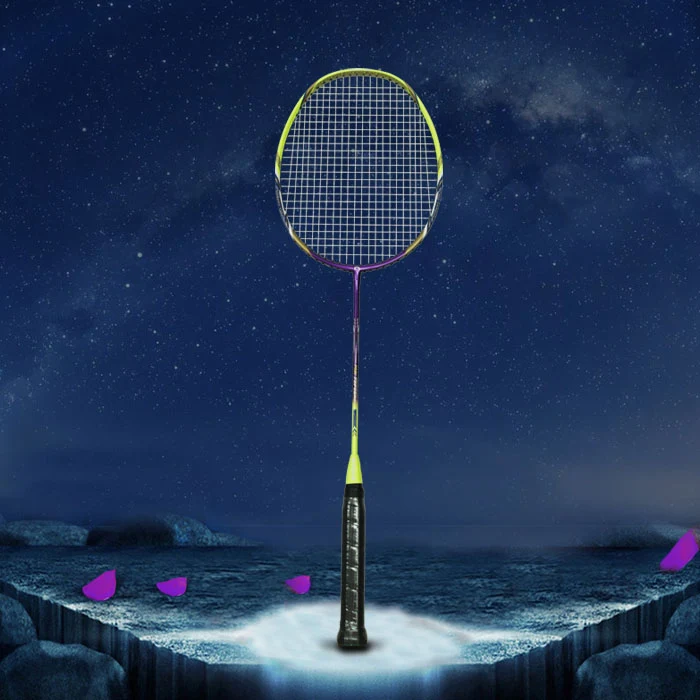
Material Composition and Strength
The fundamental difference lies in the construction. Aluminum rackets are typically made from lightweight metal alloys. They are designed for durability and casual play. In contrast, a Carbon Badminton Racket utilizes woven carbon fiber fabrics. This material is engineered for high strength-to-weight ratios, allowing for thinner frames and more aerodynamic shapes.
Performance Metrics: A Technical Comparison
To provide a clear overview, here is a technical breakdown of how these materials perform in key areas:
| Feature | Carbon Fiber Racket | Aluminum Racket |
|---|---|---|
| Weight | Typically 75-85 grams (Ultra-light) | Typically 90-100 grams (Heavy) |
| Stiffness | High stiffness for precise control | Flexible, bends upon impact |
| Power Transfer | Excellent energy return | Energy lost in frame flex |
| Durability | High tensile strength, but can chip | Highly resistant to bending |
| Vibration | Excellent dampening properties | Transmits more vibration to hand |
Impact on Gameplay: Control vs. Comfort
The choice between these materials affects how the shuttle reacts off the strings. An aluminum frame offers more forgiveness. It is ideal for beginners because it absorbs impact, reducing the shock on the arm during off-center hits. However, this flexibility results in a loss of power.
A Carbon Badminton Racket offers superior control. Because the frame remains rigid during impact, all the kinetic energy transfers directly into the shuttle. This allows for explosive clears and precise net shots. For players focused on skill development, the stiffness of carbon provides the feedback needed to refine technique.
Frequently Asked Questions
What makes a Carbon Badminton Racket better for advanced players?
A Carbon Badminton Racket is engineered for responsiveness. Advanced players generate their own power, so they do not need a flexible frame. The rigidity of carbon allows for faster swing speeds and immediate feedback, enabling players to place the shuttle with pinpoint accuracy. Materials like High Modulus Graphite, used by Sparkshot, ensure the frame keeps up with rapid exchanges without twisting.
Is an aluminum racket suitable for competitive matches?
While aluminum rackets are excellent for learning the rules and basic swings, they lack the performance characteristics required for competitive match play. The heavier weight slows down reaction time at the net, and the flexible frame makes defensive lifts against powerful smashes difficult. For club or tournament play, a Carbon Badminton Racket is the standard requirement.
How does the durability of carbon compare to aluminum in case of clashes?
This is a common concern. Aluminum rackets are highly ductile, meaning they bend rather than break. If they clash, they often just warp. A Carbon Badminton Racket is incredibly strong under designed stress (like hitting a shuttle) but is more susceptible to critical failure from sharp impacts, such as clashing with a partner or hitting the floor. This is why manufacturers like Sparkshot focus on impact-resistant resin systems to enhance durability without adding weight.
Conclusion
Selecting the right material directly influences your development and enjoyment of the sport. While aluminum serves its purpose for recreational use, the technological advantages of carbon are undeniable. It offers the lightweight feel, power, and control that define modern badminton.
Ready to upgrade your game with a professional-grade Carbon Badminton Racket? Explore the latest collection at Sparkshot and feel the difference in every shot. Contact Us today for personalized fitting advice.