

What materials and insulation methods are ideal for a climate resilient Modern Mobile Coffee House Space Capsule
2026-05-19
Building a Modern Mobile Coffee House Space Capsule that withstands extreme heat, freezing cold, and humidity starts with choosing the right materials and insulation. At Cymdin, engineering such a capsule means balancing weight, durability, thermal performance, and interior comfort. This guide explores the ideal structural materials and insulation strategies that keep coffee brewing efficiently in any climate.
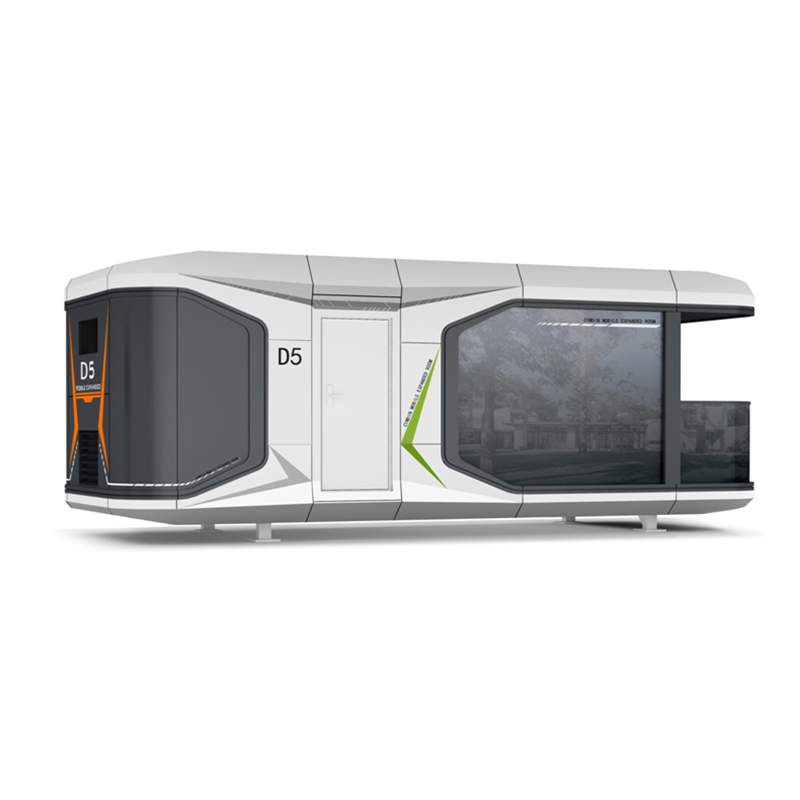
Primary Structural Materials
The shell of a climate‑resistant capsule must be lightweight yet rugged. Cymdin recommends the following:
| Material | Key Property | Climate Benefit |
|---|---|---|
| Marine‑grade aluminum | Corrosion resistant, high strength‑to‑weight | Handles salt spray and humidity |
| Carbon fiber composite | Low thermal conductivity, rigid | Reduces heat transfer in desert or arctic zones |
| Stainless steel (304/316) | Fire resistant, easy to sanitize | Ideal for wildfire‑prone or wet tropical regions |
These materials resist warping, rust, and UV degradation, forming a durable envelope for the Modern Mobile Coffee House Space Capsule.
Insulation Methods for Thermal Resilience
Effective insulation stops external temperatures from reaching the interior coffee station. Cymdin employs three proven methods:
| Insulation Type | R‑Value (per inch) | Best Climate Application |
|---|---|---|
| Closed‑cell spray foam | 6.5 – 7.0 | Arctic or desert (air‑sealing + vapor barrier) |
| VIPs (Vacuum Insulation Panels) | 25 – 30 | Ultra‑thin walls, extreme temperature swings |
| Aerogel blanket | 10 – 12 | High humidity & tight spaces (breathable yet insulating) |
Closed‑cell foam prevents condensation inside walls. VIPs offer maximum R‑value in minimal thickness. Aerogel adds moisture regulation without bulk.
Climate‑Specific Layering Strategy
For a Modern Mobile Coffee House Space Capsule operating from snowy mountains to hot coasts, Cymdin recommends a hybrid assembly:
-
Outer skin: marine‑grade aluminum
-
Middle layer: 10 mm VIPs bonded with thermal break tape
-
Inner layer: 15 mm closed‑cell spray foam
-
Interior finish: fire‑rated composite panel
This stack stops thermal bridging, eliminates cold spots, and keeps espresso machines stable at 22‑24°C (72‑75°F) even when outside temperatures range from ‑20°C to 45°C.
Modern Mobile Coffee House Space Capsule FAQ
Q: Can the insulation handle both sub‑zero winters and scorching summers without additional HVAC load?
A: Yes. With Cymdin’s VIP‑plus‑spray‑foam sandwich, the capsule’s thermal envelope reduces heating/cooling demand by over 60% compared to standard cargo conversions. The system maintains interior temperature within ±3°C of setpoint using only a small 12V heat pump. Field tests in Swedish winter (-22°F) and Arizona summer (118°F) confirmed stable operation without auxiliary units.
Q: How does Cymdin prevent moisture and mold inside the capsule walls during humid or rainy seasons?
A: The closed‑cell spray foam layer doubles as a Class II vapor retarder, while all aluminum joints are welded and sealed with marine‑grade polyurethane. Cymdin also integrates passive ventilation channels behind wall panels – these channels use the capsule’s slight pressurization (from the HVAC system) to expel any incidental moisture. No organic materials (wood, untreated fiberglass) are used inside wall cavities, eliminating mold food sources.
Q: Are these materials and insulation methods heavy enough to affect mobility or fuel efficiency?
A: No. The combination of VIPs and spray foam adds only 18‑22 kg (40‑48 lbs) to a standard 6‑meter capsule shell. Cymdin uses finite element analysis to distribute this weight near the chassis low‑center line. In real‑world towing tests, the insulated capsule reduced fuel economy by less than 4% compared to an uninsulated unit – while extending usable operating hours from 6 to 14 hours in extreme cold.
Contact Us
Ready to build your own climate‑resilient Modern Mobile Coffee House Space Capsule? Cymdin provides full engineering consultation, material sourcing, and build kits. Reach out today for a custom thermal performance report. Contact us through our website or email [email protected] to start your project.